Monel 400 Seamless Tube Applications and Guidelines

All Categories
Get a Quote

Get a Free Quote

Our representative will contact you soon.
Email
Mobile
Name
Company Name
Message
0/1000

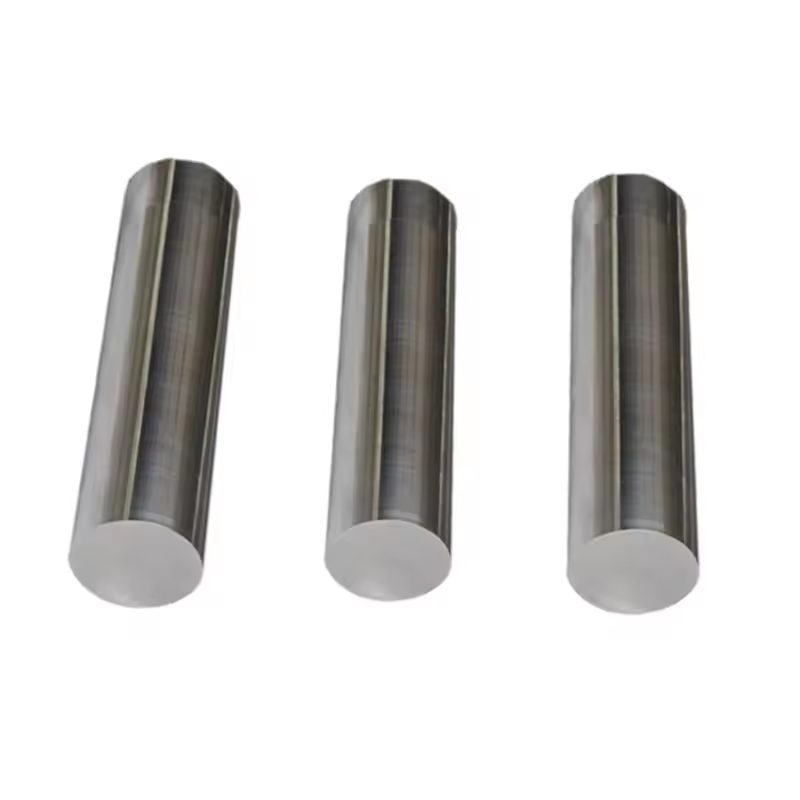
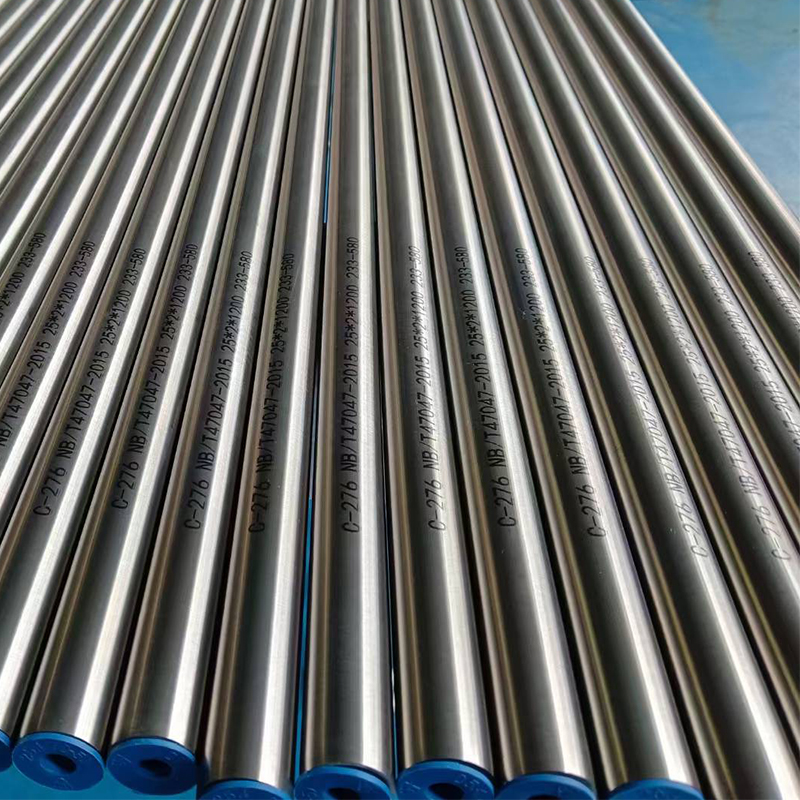
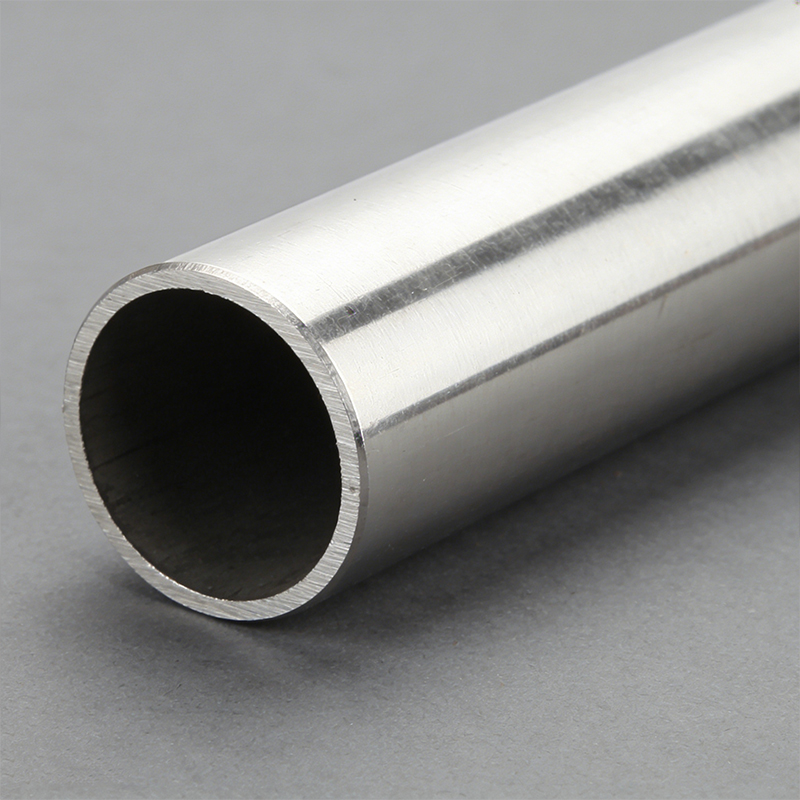
Monel 400 seamless tube

Monel 400 seamless tubes are highly sought-after components in various industrial applications due to their excellent corrosion resistance and mechanical properties.  As a B2B buyer in industries such as aerospace, energy, or chemical processing, your primary concerns likely include material compatibility, performance specifications, supplier reliability, and application suitability. This article will provide a comprehensive overview of Monel 400 seamless tubes, covering specifications, supplier selection, applications, installation guidelines, and potential challenges along with their solutions.   
Our Products

Understanding Monel 400 Seamless Tube Specifications for Your Projec

Monel 400 is a nickel-copper alloy known for its superior resistance to corrosion, particularly in marine and chemical environments. Key specifications to consider when evaluating Monel Alloy 400 seamless tubes include: 

Dimensions: The outer diameter (OD) and wall thickness of the tube are crucial as they impact the overall strength and suitability for specific applications. Common sizes range from 1/8 inch to 12 inches in OD. 

Temperature and Pressure Ratings: Monel 400 tubes typically withstand high temperatures, up to 1000°F (540°C), and high pressures, making them ideal for demanding applications in the aerospace and energy sectors. 

Material Composition: Monel 400 consists of approximately 67% nickel and 30% copper, with small amounts of manganese, carbon, and silicon. This composition contributes to its outstanding mechanical properties and resistance to stress corrosion cracking. 

Standards and Certifications: Ensure the tubes meet relevant industry standards, such as ASTM B165 or ASME SB165, which dictate the quality and manufacturing processes. 

When ordering, confirm these specifications to ensure the product meets your project's specific requirements. 

Frequently Asked Questions

What is Monel 400 seamless tube used for?

Monel 400 seamless tubes suit marine, chemical, petroleum, nuclear, and aerospace systems where corrosion resistance and strength at moderate temperatures are required.
We offer a wide range of OD, wall thickness, and lengths customizable per project. Contact us with specifications for a tailored quote.
Our Monel 400 tubes are produced under ISO9001, AS9100, PED and API-compliant processes; test documentation available on request.
Yes. Our integrated smelting, forging and manufacturing allows custom cutting, heat treatment, surface finish and machining as a one-stop service.
We provide material certificates, PMI, chemical and mechanical tests, NDT and traceability per customer requirements to ensure compliance and performance.

Get a Free Quote

Our representative will contact you soon.
Email
Mobile
Name
Company Name
Message
0/1000

Related product categories

How to Choose the Right Monel 400 Seamless Tube Supplier

Selecting a reliable supplier for Monel 400 seamless tubes can significantly impact your project's success. Here are essential criteria to consider: 

Manufacturing Capabilities: Assess the supplier's production capabilities, including their ability to provide custom sizes and specifications. A supplier with a complete production chain, from smelting to forging, can offer better quality control and flexibility. 

Certifications: Look for suppliers with recognized certifications such as ISO 9001, AS9100, and PED, which demonstrate their commitment to quality and compliance with industry standards. 

Experience and Expertise: A supplier with extensive experience in manufacturing Monel 400 tubes will likely understand the nuances of material behavior and application suitability, ensuring better guidance during the purchasing process. 

Customer Support: Evaluate the responsiveness and technical support offered by the supplier. They should provide detailed information about product specifications, lead times, and customization options. 

Reputation and References: Research the supplier's market reputation and seek references from other companies in your industry to verify their reliability and product quality. 

Monel 400 Seamless Tube Applications in Aerospace and Energy Sectors

Monel 400 seamless tubes find extensive applications across various sectors, primarily due to their corrosion resistance and strength. Key applications include: 

Aerospace: In the aerospace industry, Monel 400 is used for fuel and hydraulic lines, as well as in components exposed to extreme temperatures and corrosive environments. The alloy's strength and lightweight properties make it ideal for aircraft manufacturing. 

Energy Sector: In the oil and gas industry, Monel 400 tubes are employed in pipelines, valves, and fittings, particularly in offshore applications where exposure to saltwater can lead to severe corrosion. Their ability to withstand high pressures and temperatures is crucial for maintaining operational integrity. 

Marine Applications: Monel 400 is widely used in marine environments, including shipbuilding and offshore drilling, due to its resistance to seawater corrosion. 

Chemical Processing: The chemical industry uses Monel 400 for equipment such as reactors, heat exchangers, and piping systems that handle acidic and alkaline substances. 

Understanding these applications can guide you in selecting the right materials for your specific projects. 

Installation Guidelines for Monel 400 Seamless Tube Products

Proper installation of Monel 400 seamless tubes is critical to ensuring performance and longevity. Here are some guidelines to follow: 

Surface Preparation: Ensure that the surfaces of the tubes and any fitting components are clean and free from contaminants before installation. This helps prevent corrosion and ensures a secure fit. 

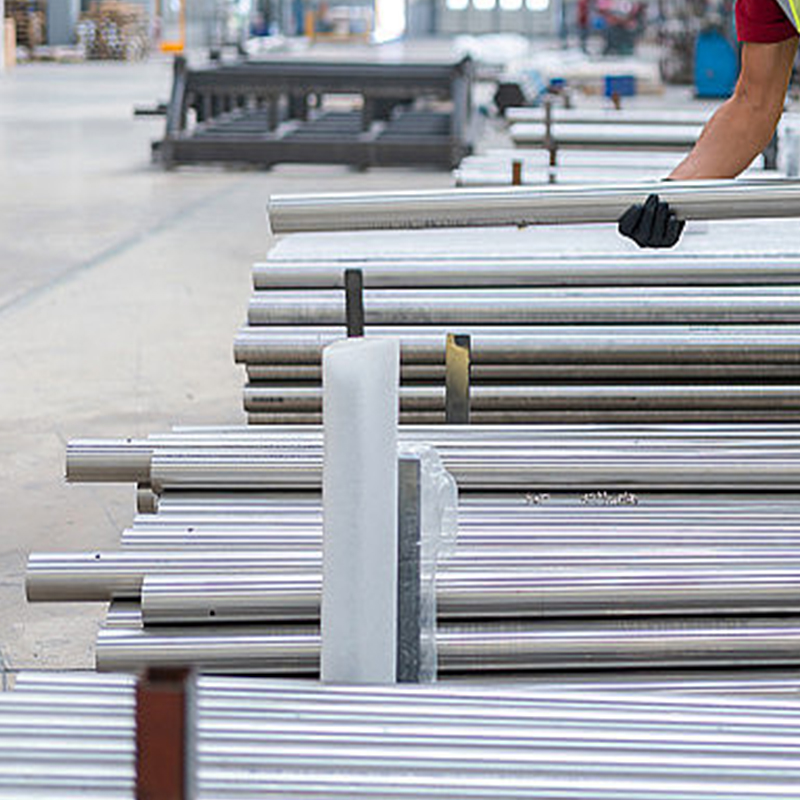
Handling and Storage: Monel 400 is relatively ductile, but improper handling can lead to deformation. Store tubes in a clean, dry environment and protect them from physical damage. 

Joining Techniques: When welding or joining Monel 400 tubes, use appropriate filler materials and techniques to maintain corrosion resistance. TIG welding is often recommended for its precision and ability to produce strong joints without introducing contaminants. 

Testing and Inspection: After installation, conduct appropriate pressure tests to verify the integrity of the system. Non-destructive testing methods, such as ultrasonic or radiographic inspection, can help identify any potential issues. 

By following these guidelines, you can minimize installation-related problems and ensure optimal performance of your monel 400 pipe. 

Common Problems with Monel 400 Seamless Tubes and Their Solutions

Despite their advantages, Monel 400 seamless tubes can encounter specific problems during use. Here are some common issues and solutions: 

Corrosion Under Insulation: If Monel 400 tubes are insulated, moisture can accumulate, leading to corrosion. To mitigate this, ensure proper insulation materials that allow moisture to escape and periodic inspections for signs of corrosion. 

Weld Cracking: High-stress applications can lead to cracking at welded joints. To prevent this, ensure proper welding techniques are employed, and consider post-weld heat treatments to relieve stresses. 

Material Compatibility: Monel 400 may not be suitable for all chemical environments. Always confirm material compatibility with the specific chemicals used in your application. Consult with the supplier to ensure the alloy meets the necessary specifications. 

Temperature Fluctuations: Rapid temperature changes can affect the integrity of the tubes. Evaluate the operating conditions and design systems that can accommodate thermal expansion and contraction. 

By proactively addressing these potential issues, you can enhance the reliability and lifespan of Monel 400 seamless tubes in your applications.