EN

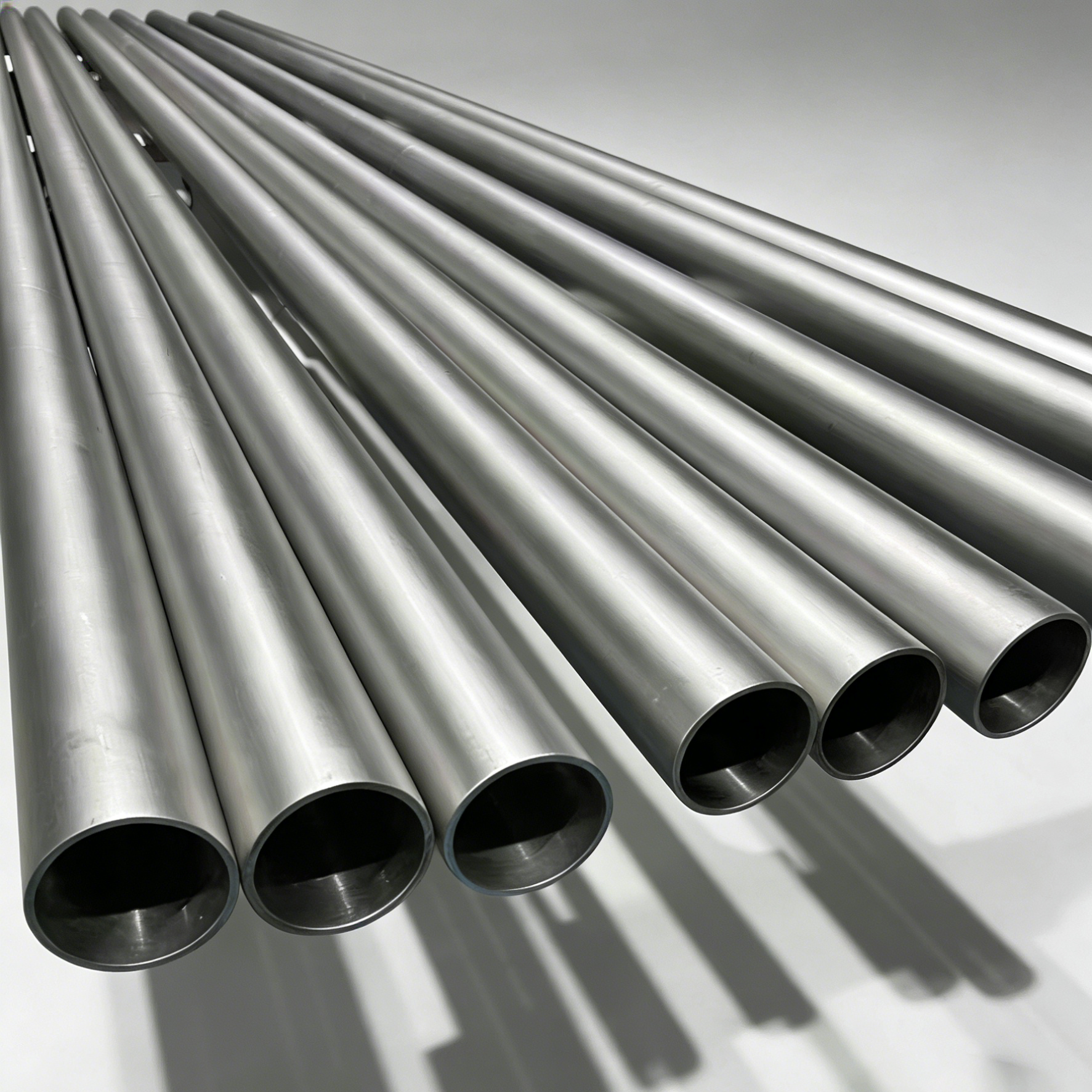
Monel 400 fittings are essential components in various industrial applications, known for their exceptional resistance to corrosion and high temperatures. As a purchasing manager or engineer, selecting the right Monel 400 fittings can significantly impact your project's success. This article will help you understand how to choose the right fittings, their technical specifications, cost considerations, common issues, and where to find reliable suppliers for bulk orders.
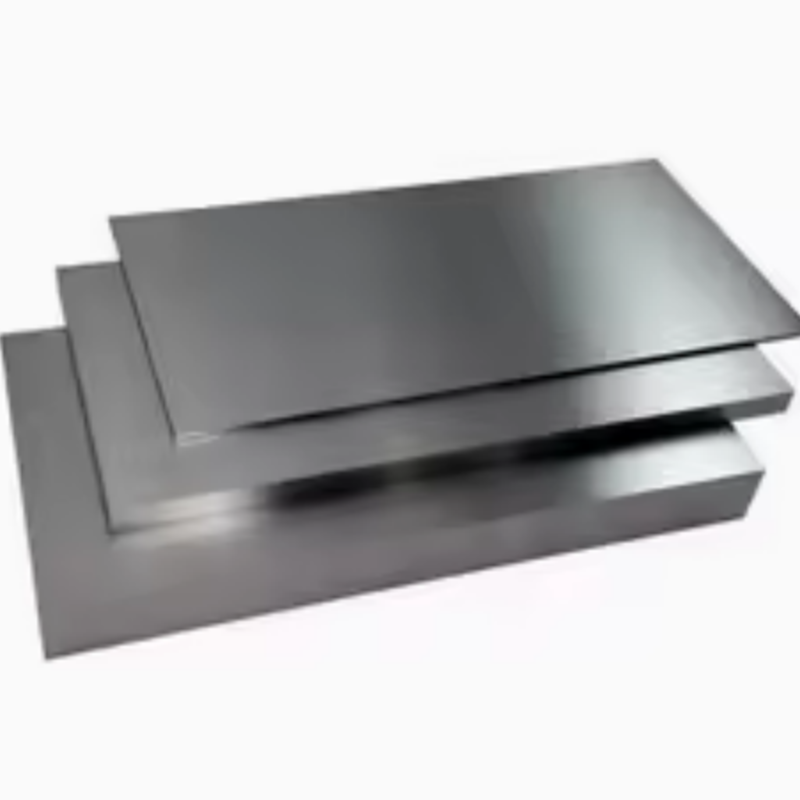
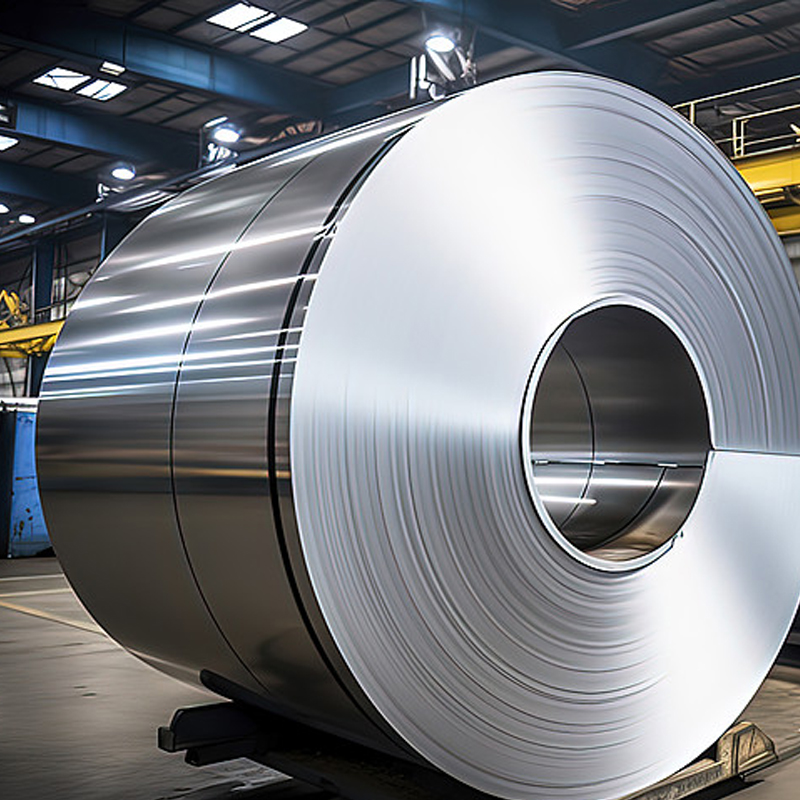
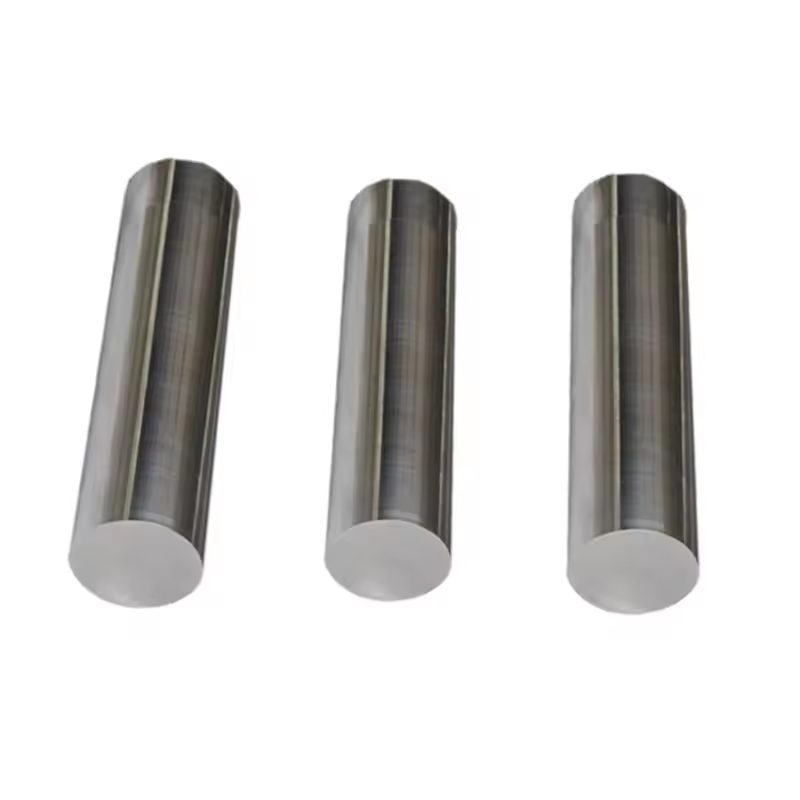
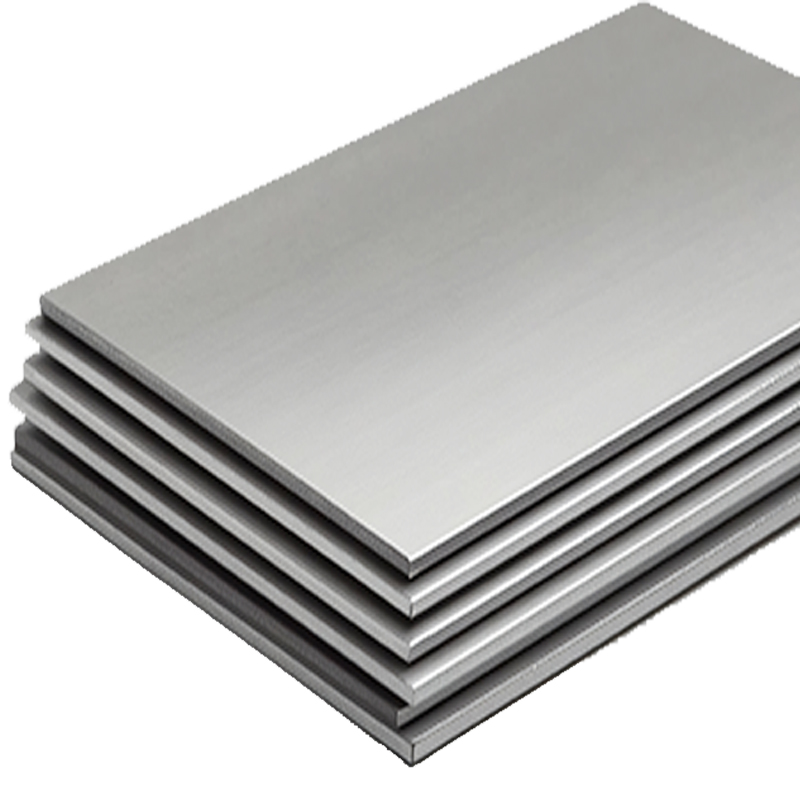
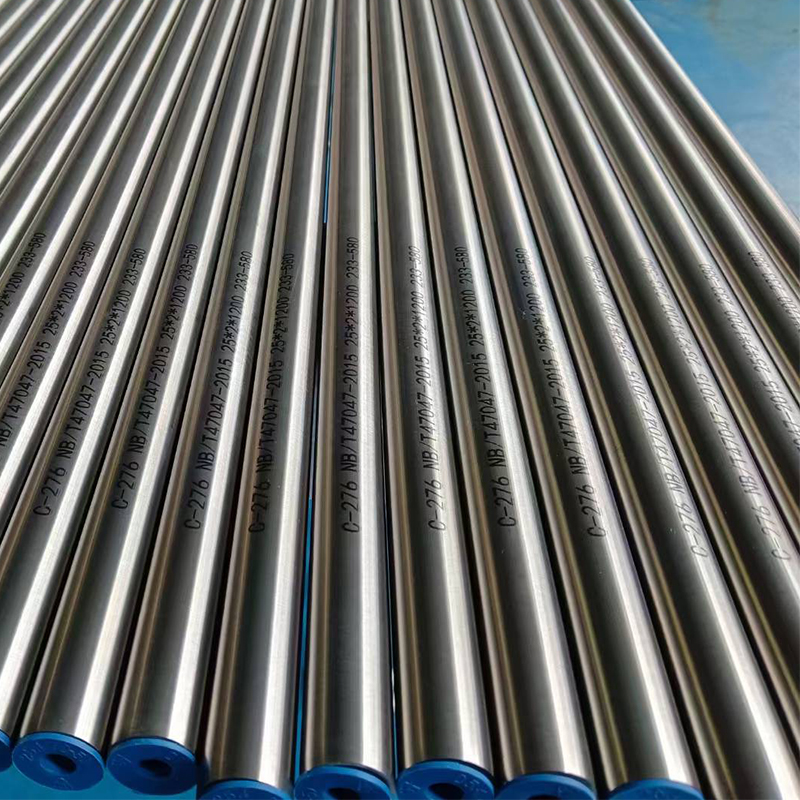
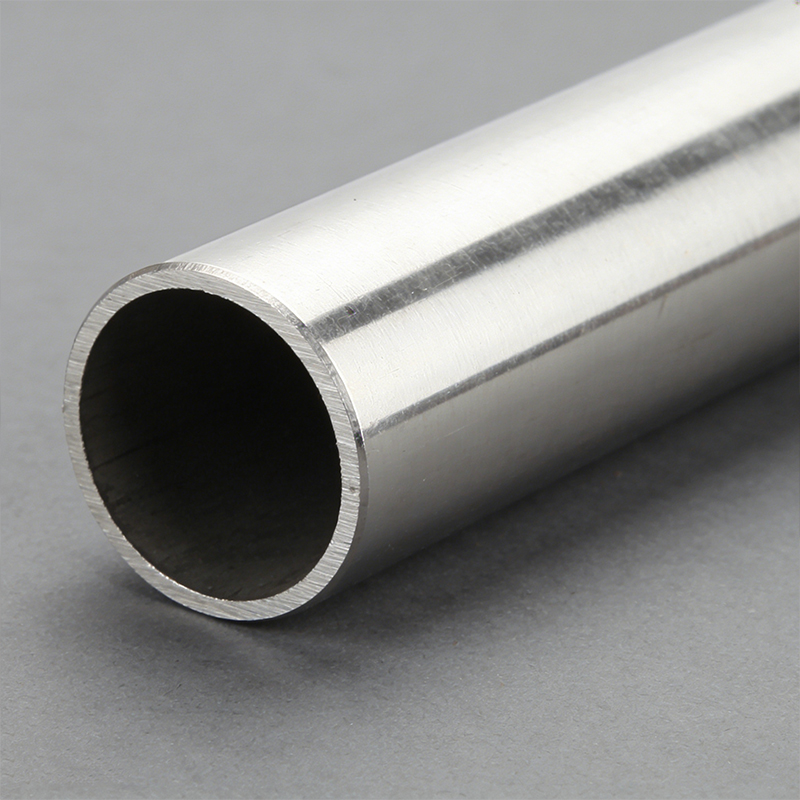
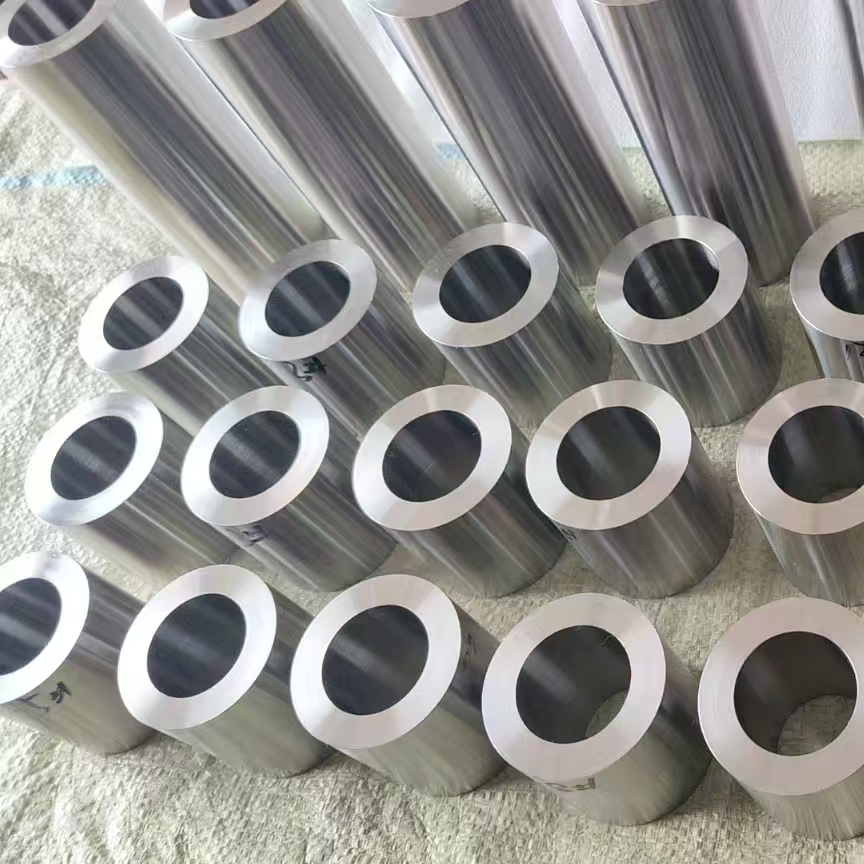
Technical Specifications of Monel 400 Fittings You Should Know
Monel 400 fittings come with specific technical characteristics that are vital for their performance. These include:
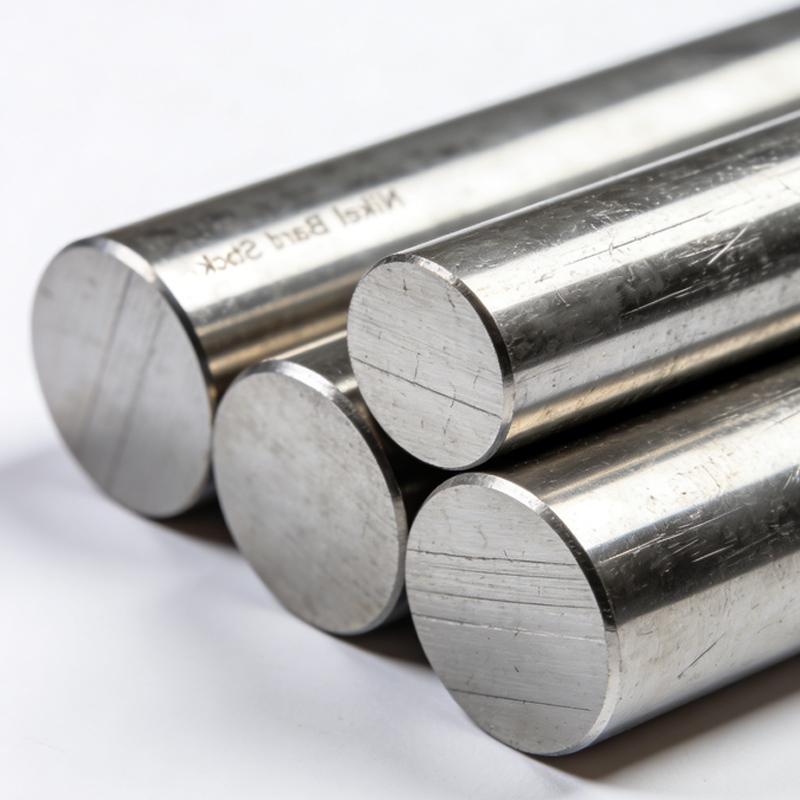
Composition: Monel 400 is primarily composed of nickel (approximately 67%) and copper (about 30%), with small amounts of iron and manganese. This unique composition grants it exceptional resistance to various corrosive environments.
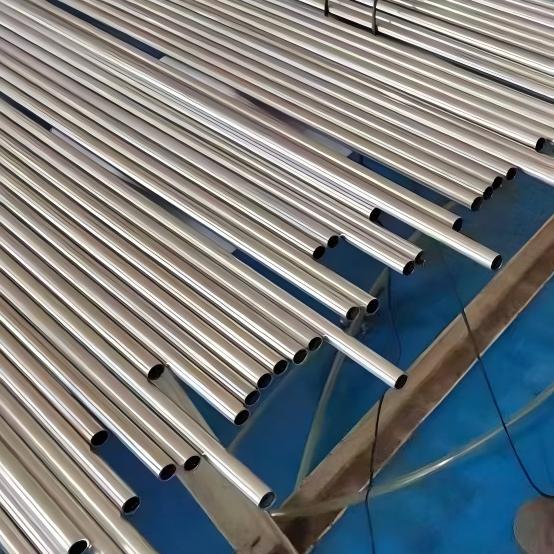
Dimensions: Ensure that the fittings meet industry-standard dimensions, which are critical for proper fit and function. Common standards include ANSI, ASME, and ASTM specifications.
Pressure Ratings: Understand the pressure ratings of your fittings, as they should match or exceed the system's requirements to prevent failures.
Temperature Tolerance: Monel 400 can withstand temperatures up to 1,000°F (538°C), making it suitable for high-temperature applications. Confirm that the fittings will perform within the required temperature range for your operations.
Surface Finishes: Consider the surface finish of the fittings, which can affect corrosion resistance and cleanliness. Common finishes include polished, pickled, or passivated.
Before finalizing your order, verify that the technical specifications align with your project's operational needs.