 EN

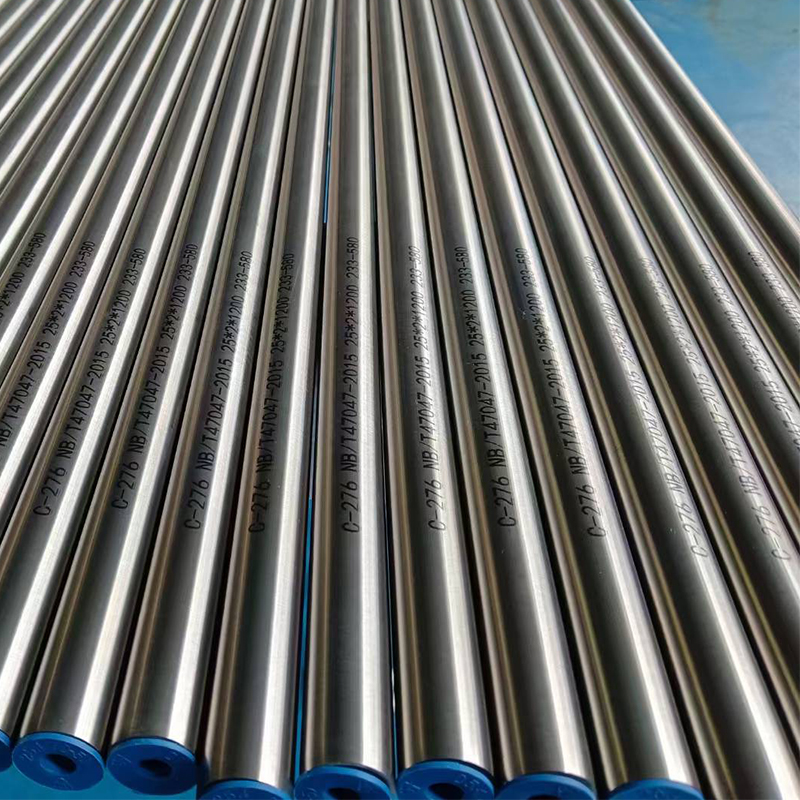
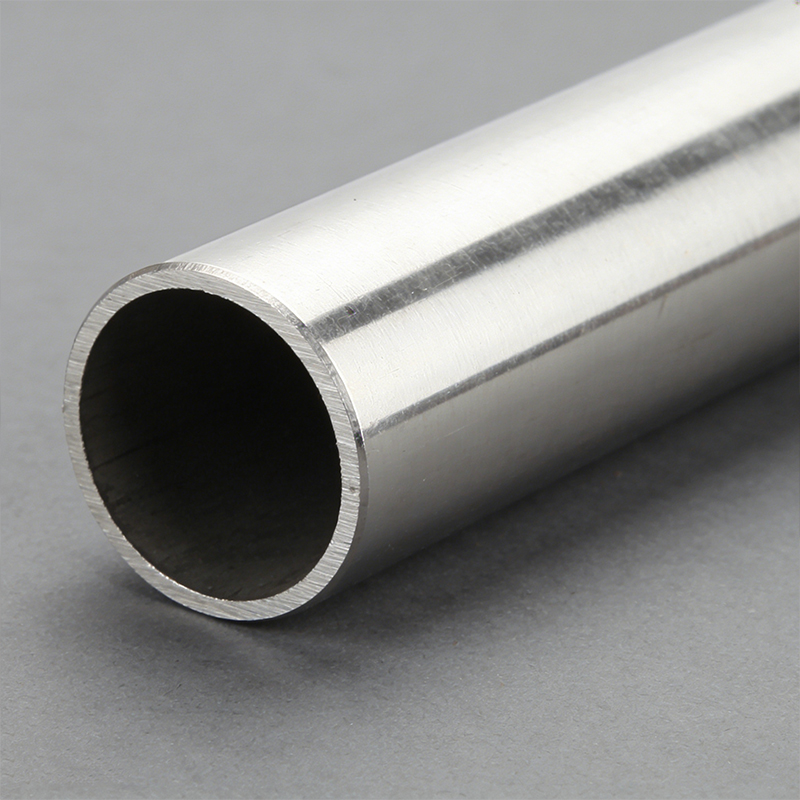
Inconel 625 rod is a high-performance nickel-chromium-molybdenum alloy known for its outstanding resistance to extreme environments, including high temperatures and corrosive conditions. For B2B buyers in industries like aerospace, petroleum, and nuclear power, understanding the specifications, applications, and purchasing considerations of Inconel 625 rod is crucial. This article will guide purchasing managers, engineers, and product managers through the essential aspects of inconel 625 rod, helping them make informed decisions for their projects.
How Inconel 625 Rod Solves Common Issues in High-Temperature Environments
Inconel 625 rod is particularly renowned for its performance in high-temperature applications, making it an ideal choice for industries such as aerospace and nuclear power. One of the most significant challenges faced in these environments is oxidation, which can lead to material degradation. Inconel 625’s high chromium content provides exceptional resistance to oxidation and scaling, helping to maintain structural integrity even at elevated temperatures.
Another issue in high-temperature applications is stress corrosion cracking (SCC), often exacerbated by the presence of chlorides. Inconel 625's unique composition allows it to withstand SCC, which is critical for components subjected to harsh conditions, such as turbine blades and exhaust systems. The rod also maintains its mechanical properties at elevated temperatures, ensuring performance reliability over time.
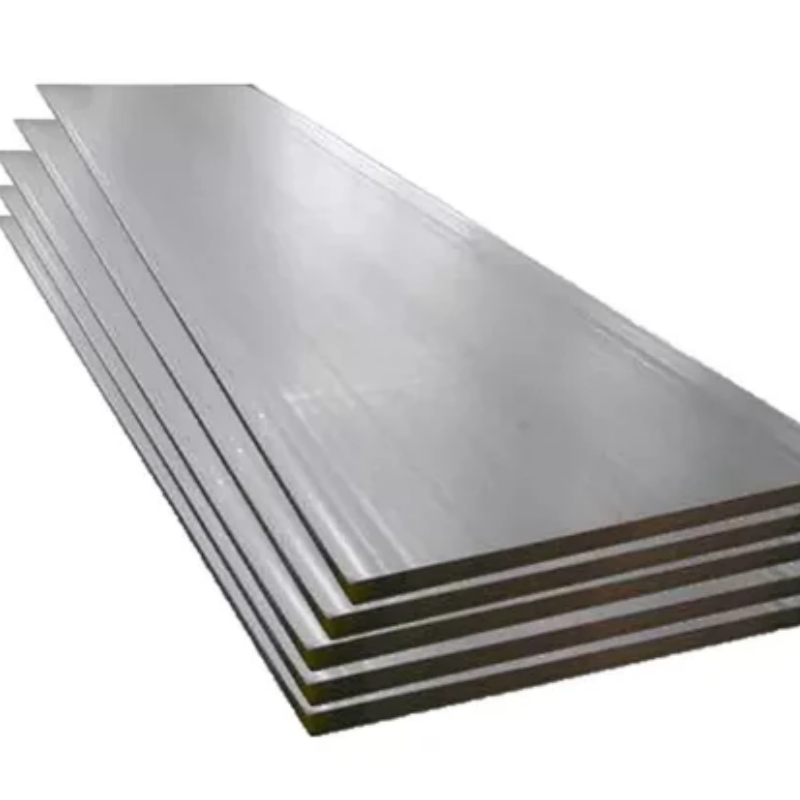
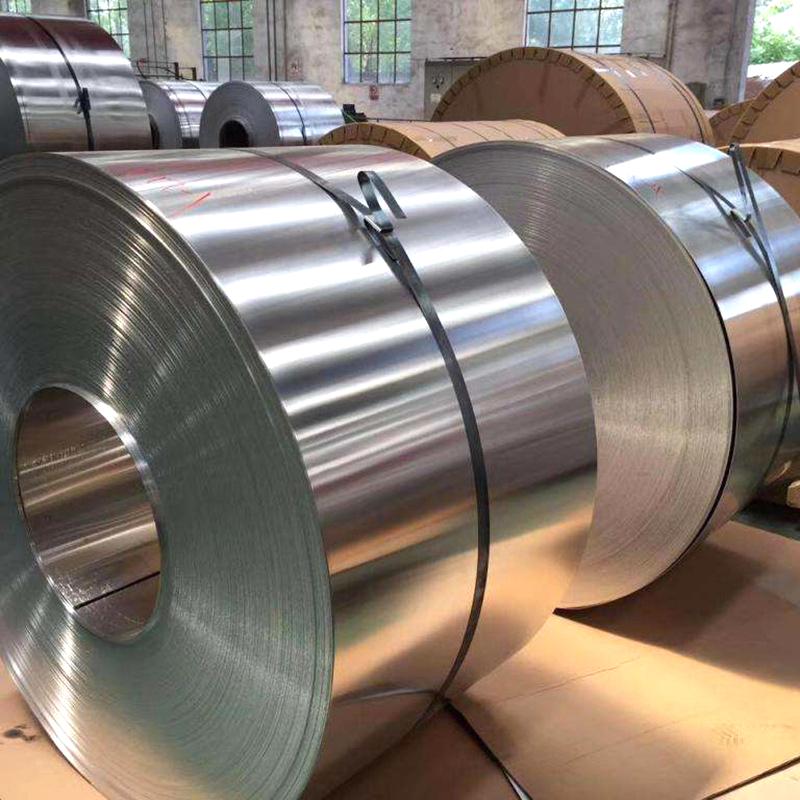
Additionally, the alloy's versatility allows for use in a variety of forms, including rods, sheets, and custom shapes, facilitating its application across multiple sectors. By opting for inconel 625 welding rod, manufacturers can effectively mitigate the risks associated with high-temperature environments, ensuring longevity and performance in critical applications.