Choosing the Right Copper Nickel Welding Rods

All Categories
Get a Quote

Get a Free Quote

Our representative will contact you soon.
Email
Mobile
Name
Company Name
Message
0/1000

Copper nickel welding rod

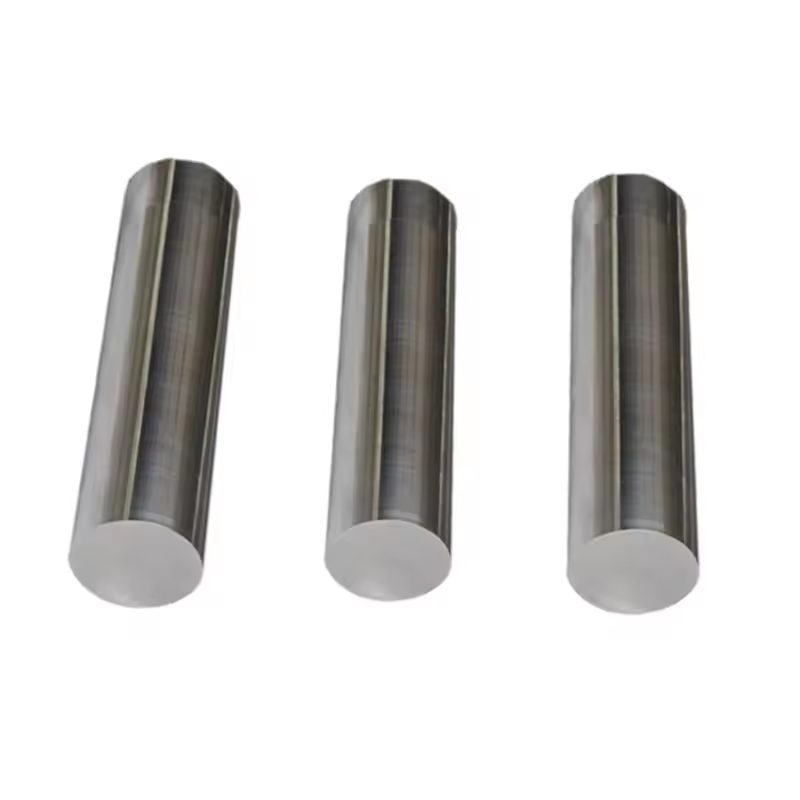
Copper nickel welding rods are specialized welding consumables used to join copper and nickel alloys in various industrial applications. These rods are critical for achieving strong and durable welds in sectors such as aerospace, petroleum, and marine engineering. As a purchasing manager or engineer, your primary concerns likely include material compatibility, performance specifications, and sourcing reliable suppliers. This article will provide you with valuable insights into selecting the right copper nickel welding rod for your projects, sourcing suppliers, understanding cost factors, troubleshooting common installation issues, and exploring the specific applications of these rods across industries. 
Our Products

How to Choose the Right Copper Nickel Welding Rod for Your Project

Selecting the appropriate copper nickel welding rod involves considering several critical factors, including the specific alloy composition, diameter, and intended application. The most common alloys used in welding rods include copper-nickel 90/10 and 70/30, which differ in their nickel content and, consequently, their mechanical properties.  When choosing a welding rod, ensure that the alloy matches the base metals you will be working with. For instance, a 90/10 rod is generally preferred for marine applications due to its superior corrosion resistance. Additionally, consider the rod diameter, as this affects the heat input and penetration during the welding process. A larger diameter rod can deliver more filler material quickly, which is beneficial for 55 nickel welding rod thicker sections. It’s also essential to evaluate the welding process compatibility. For example, GMAW (Gas Metal Arc Welding) may require different rod compositions than GTAW (Gas Tungsten Arc Welding). Always consult the manufacturer's recommendations and consider conducting a test weld to ensure the selected rod performs adequately under your specific conditions. 

Get a Free Quote

Our representative will contact you soon.
Email
Mobile
Name
Company Name
Message
0/1000

Related product categories

Where to Source Reliable Copper Nickel Welding Rod Suppliers

Finding a reliable supplier for copper nickel welding rods is crucial for maintaining production quality and efficiency. Start by identifying manufacturers who specialize in alloy materials and have a robust quality management system, ideally certified by ISO9001 or similar standards. Look for suppliers with experience in your industry, as they will have a deeper understanding of your specific welding needs. Online marketplaces and industry directories can provide a list of potential suppliers, but it's advisable to engage in direct communication to assess their capabilities.  Request information on their production processes, lead times, and customization options to ensure they can meet your project requirements. Additionally, seeking customer reviews or references can provide insights into the nickel based superalloys reliability and service quality of the supplier. Establishing a relationship with a supplier who understands your specific application can lead to better pricing, quicker response times, and more tailored support for your welding needs. 

Cost Factors to Consider When Purchasing Copper Nickel Welding Rods

The cost of copper nickel welding rods can vary significantly based on several factors, including alloy composition, rod diameter, and order volume. Higher nickel content generally translates to increased material costs, so it’s vital to balance the need for performance with your budget constraints. When evaluating prices, consider the total cost of ownership rather than just the initial purchase price. This includes the cost of welding equipment, labor, and any potential rework that may arise from using subpar materials. Also, be aware of minimum order quantities (MOQ) set by suppliers, which can impact your purchasing flexibility. If you anticipate ongoing projects requiring these rods, it may be beneficial to negotiate for bulk pricing or establish a long-term supply agreement to achieve cost savings. 

Common Installation Problems with Copper Nickel Welding Rods and Solutions

Welding with copper nickel rods can present unique challenges, particularly regarding heat control and distortion. One common issue is overheating, which can lead to warping or cracking. To mitigate this, ensure that your welding parameters, such as voltage and travel speed, are correctly set for the material thickness and type. 

Another frequent problem is inadequate fusion, which can occur if the rod's diameter is too small for the joint configuration. To address this, consider using a larger diameter rod or adjusting your technique to ensure proper fusion at the joint. Finally, contamination of the weld area is critical to avoid. Ensure that all surfaces are clean and free from oils, dirt, or oxidation before welding. Employing a pre-cleaning method, such as abrasive blasting or chemical cleaning, can significantly improve weld quality. 

Applications of Copper Nickel Welding Rods in Various Industries

Copper nickel welding rods are versatile and find applications across various industries due to their excellent corrosion resistance, strength, and weldability. In the marine industry, these rods are used extensively for shipbuilding and repairing components that are exposed to seawater, such as piping and hull structures. In the oil and gas sector, copper nickel rods are favored for constructing pipelines and offshore platforms, where they withstand harsh environmental conditions.  Additionally, in power generation, particularly in nuclear and renewable energy sectors, these rods are employed for fabricating pressure vessels and heat exchangers due to their durability and performance under high-stress conditions. Moreover, the aerospace industry utilizes copper nickel welding rods for components that require high reliability and performance, such as fuel systems and structural parts. Their ability to withstand extreme temperatures and corrosive environments makes them an ideal choice for critical applications. By understanding the specific needs of your industry, you can better evaluate the suitability of copper nickel welding rods for your projects and ensure optimal performance and longevity in your applications.