Coiled Tubing Pipe: Key Specifications and Sourcing

All Categories
Get a Quote

Get a Free Quote

Our representative will contact you soon.
Email
Mobile
Name
Company Name
Message
0/1000

coiled tubing pipe

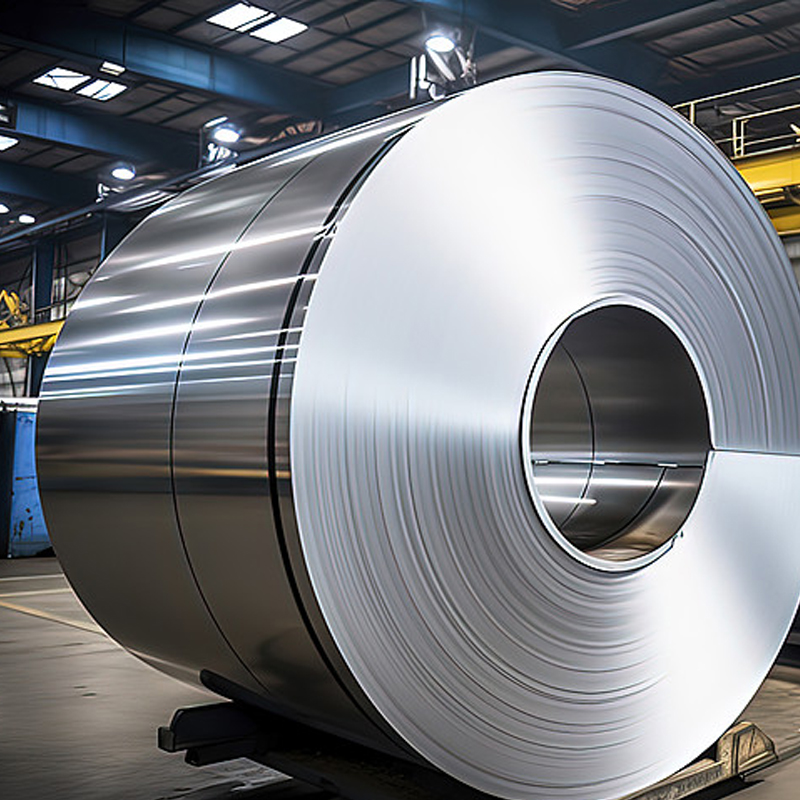
Coiled tubing pipe is a crucial component in various industrial applications, particularly in the petroleum and energy sectors. Understanding its specifications, sourcing, quality, and cost considerations is essential for purchasing managers and engineers engaged in project planning and execution. This article will address the key factors to consider when selecting coiled tubing pipe, ensuring that buyers make informed decisions that align with their operational needs.
Our Products

Key Specifications for High-Quality Coiled Tubing Pipe Selection

When selecting coiled tubing pipe, several key specifications must be considered to ensure optimal performance for your application. These include:

Material Composition: Coiled tubing is typically made from high-strength alloys, such as nickel alloys or carbon steel, which offer excellent tensile strength and corrosion resistance. The choice of material directly impacts the pipe’s durability and suitability for specific environments, such as high-pressure or corrosive conditions. For instance, materials like Hastelloy are known for their exceptional resistance to corrosion.

Diameter and Wall Thickness: The diameter and wall thickness of the tubing must match the requirements of your application. Thicker walls provide greater strength and pressure resistance, while the diameter affects flow rates and installation compatibility. It's essential to evaluate the intended use to determine the appropriate specifications.

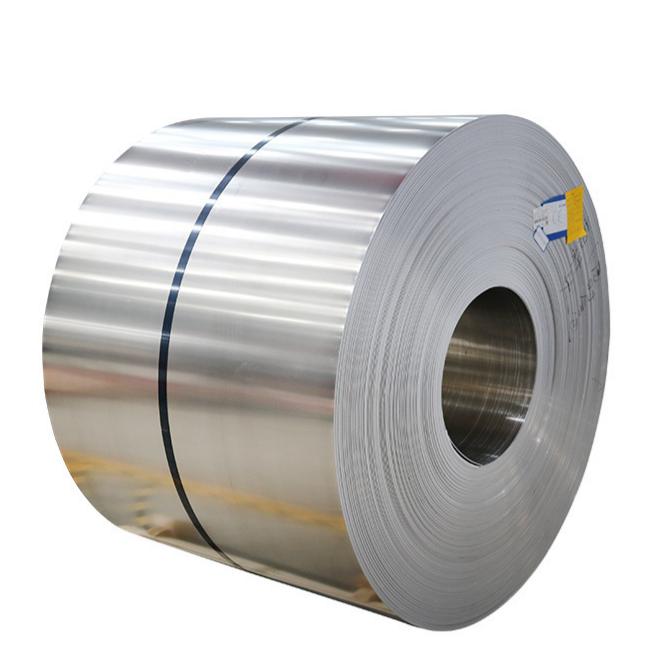
Coiling Method: The method used to coil the tubing affects its flexibility and handling characteristics. A well-coiled product will reduce the risk of kinks or damage during transportation and installation.

Standards and Certifications: Ensure that the coiled tubing pipe complies with industry standards, such as API, AS9100, or ISO9001. These certifications indicate adherence to quality and safety practices, which is critical in high-stakes applications like aerospace and oil extraction. Suppliers offering forgings may also provide additional quality assurance.

By thoroughly evaluating these specifications, buyers can ensure they select coiled tubing pipe that meets both performance and safety standards.

Frequently Asked Questions

What materials are available for coiled tubing pipe?

We manufacture coiled tubing in various nickel alloys and custom alloys tailored to aerospace, petroleum, nuclear, and energy applications, produced through our smelting and forging process.
We offer custom diameters, wall thicknesses and lengths per customer drawings or standards. Specifications meet ISO9001, AS9100, PED and API requirements.
Yes. We supply inspection reports, material certificates and compliance documents aligned with ISO9001, AS9100, PED and API upon delivery.
Yes. We provide one‑stop services from alloy R&D to smelting, forging and final machining, enabling tailored coiled tubing solutions.
Our coiled tubing serves aerospace, petroleum, nuclear power, new energy and pressure vessel industries with high‑performance nickel alloy products.

Get a Free Quote

Our representative will contact you soon.
Email
Mobile
Name
Company Name
Message
0/1000

Related product categories

Where to Source Reliable Coiled Tubing Pipe Suppliers for Wholesale

Where to Source Reliable Coiled Tubing Pipe Suppliers for Wholesale

Finding reputable suppliers of coiled tubing pipe is vital for ensuring consistent quality and reliable service. Here are several tips for sourcing suppliers:

Industry Directories and Trade Shows: Utilize industry-specific directories and attend trade shows to connect with manufacturers specializing in coiled tubing. These venues often showcase suppliers with proven track records in quality and service.

Certifications and Reviews: Look for suppliers that hold relevant certifications and have positive client testimonials. A supplier that has achieved ISO9001 or AS9100 certification, for example, demonstrates a commitment to quality management.

Capabilities and Expertise: Evaluate the supplier’s manufacturing capabilities, including their ability to produce custom specifications and handle bulk orders. Suppliers like Jiangsu Boyue Alloy Materials Co., Ltd. offer comprehensive services from R&D to production, ensuring that they can meet specific customer requirements.

Customer Support and Communication: Reliable suppliers should provide excellent customer service, including clear communication regarding lead times, order tracking, and technical support. Establishing a strong line of communication can prevent misunderstandings and delays.

By following these steps, buyers can identify trustworthy suppliers that meet their needs for coiled tubing pipe.
Quality, Cost, and Performance

Quality, Cost, and Performance

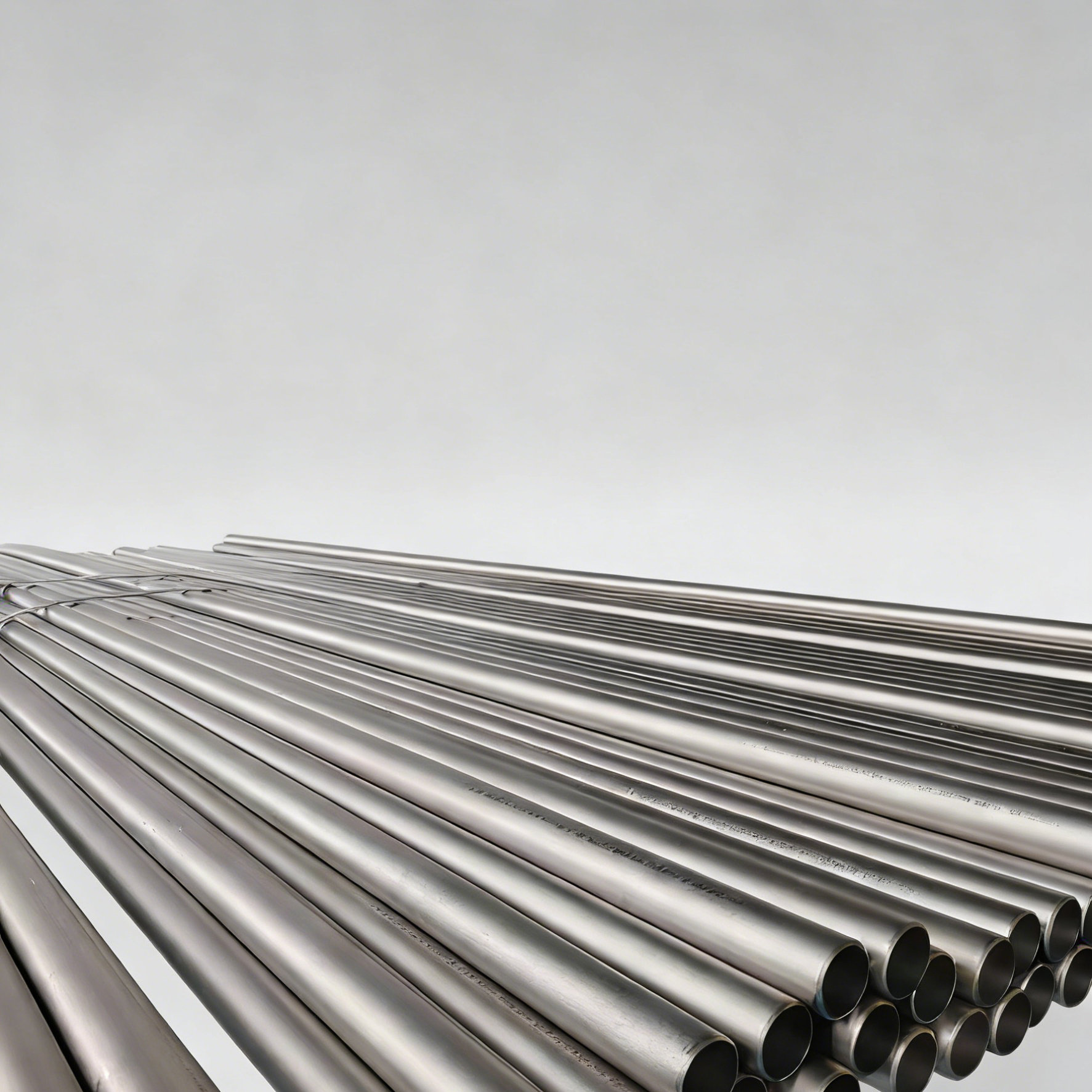
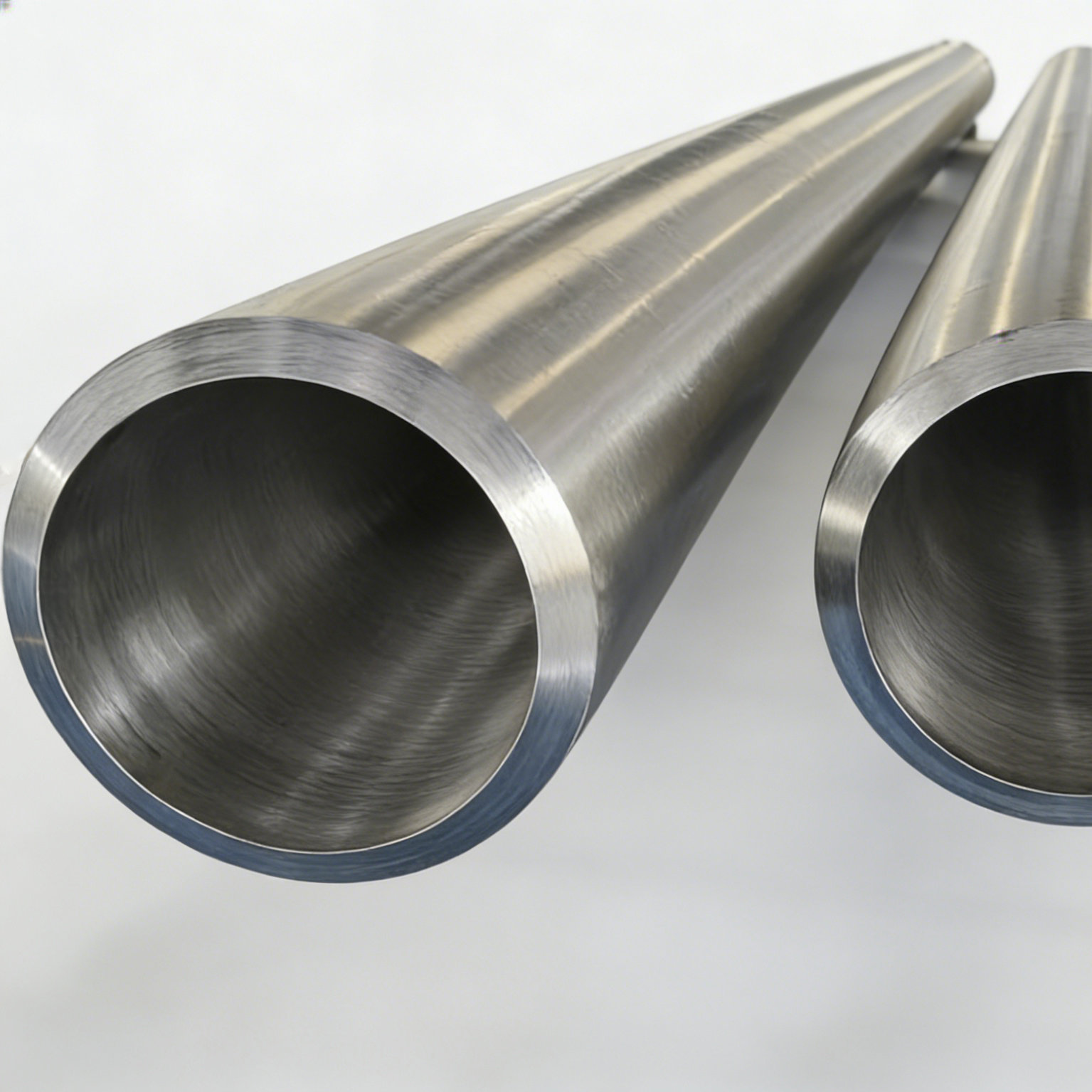
Balancing quality, cost, and performance is a critical aspect of purchasing coiled tubing pipe. Here are some factors to consider:

Quality Assurance Processes: Assess the supplier's quality control measures. This includes inspections during production, testing of materials, and final product evaluations to ensure conformance to specifications. A robust quality assurance process minimizes the risk of defects.

Cost Factors: The price of coiled tubing pipe can vary based on material, specifications, and order quantity. While lower prices may be attractive, they can sometimes indicate compromised quality. It’s essential to analyze the total cost of ownership, including potential maintenance and replacement costs.

Performance Metrics: Consider how the coiled tubing pipe performs in real-world applications. Factors such as fatigue resistance, impact strength, and corrosion resistance should align with the specific demands of the application.

Customization Options: Some suppliers offer customization, allowing for tailored specifications that meet unique project requirements. Custom solutions might involve specific dimensions, material grades, or surface treatments that enhance performance.

By evaluating these elements, buyers can make informed decisions that align with both their budget and performance requirements.

Common Problems with Coiled Tubing Pipe and Their Solutions

Common Problems with Coiled Tubing Pipe and Their Solutions

Like any industrial product, coiled tubing pipe can present challenges. Here are some common issues and their solutions:

Kinking and Damage During Handling: Improper handling can lead to kinks or damage to the pipe, affecting its integrity. To mitigate this, ensure that the coiling and uncoiling processes are performed with care and that proper equipment is used.

Corrosion and Wear: Depending on the application environment, coiled tubing may be exposed to corrosive substances. Selecting materials with appropriate corrosion resistance, such as nickel alloys, can help prevent premature failure. Regular inspections can also identify early signs of wear.

Poor Surface Finish: An inadequate surface finish can lead to issues such as reduced flow efficiency or increased friction. It is advisable to confirm surface treatment specifications with the supplier to ensure that they align with application requirements.

Inconsistent Quality: Variation in manufacturing processes can lead to inconsistent quality across batches. Establishing a relationship with a reputable supplier who implements strict quality control measures can help ensure uniformity.

By being aware of these challenges and implementing proactive solutions, buyers can enhance the reliability and performance of their coiled tubing pipe.

Evaluating the Cost Factors of Coiled Tubing Pipe for Bulk Orders

When considering bulk orders of coiled tubing pipe, several cost factors come into play:

Material Costs: The type of material significantly influences the overall cost. High-performance alloys may come at a premium but can offer long-term savings through durability and reduced maintenance.

Volume Discounts: Many suppliers offer discounts for larger orders. Understanding the supplier's pricing structure can help buyers negotiate better terms and reduce overall expenditure.

Lead Times and Shipping Costs: Longer lead times can delay project timelines, potentially increasing costs. Clarifying estimated delivery dates and associated shipping costs upfront will aid in budgeting and project planning.

Customization Fees: If custom specifications are required, be aware of any associated fees. Customization can enhance performance but may also increase the price.

Testing and Certification Costs: Depending on the application, additional testing or certification may be necessary, which can impact the final cost. It’s prudent to factor in these expenses when budgeting for a purchase.

By evaluating these cost factors carefully, buyers can make more informed purchasing decisions that align with their financial constraints and project needs.