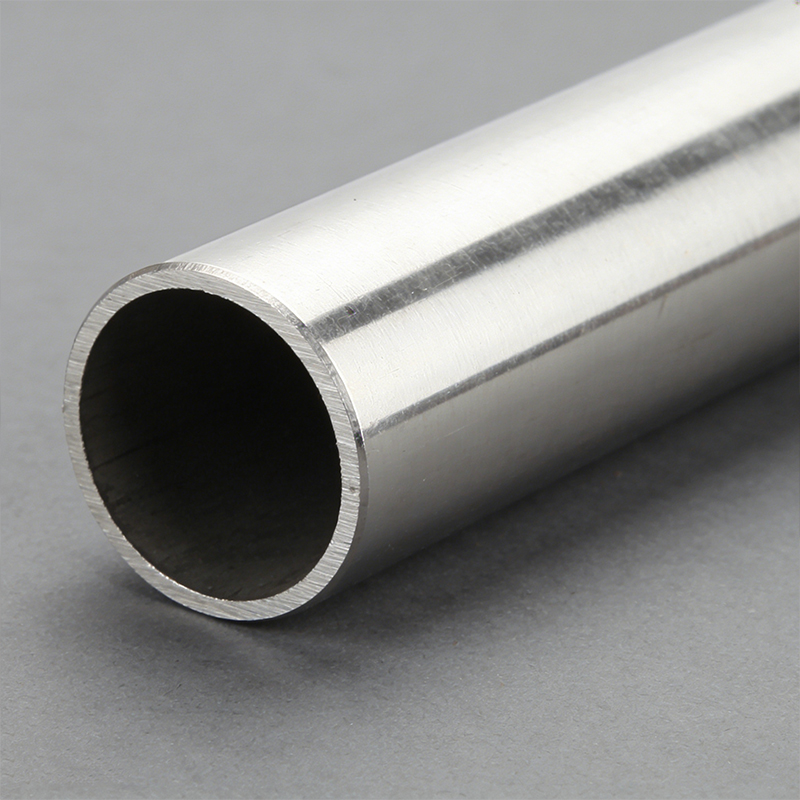
Choosing the Right Alloy 825 Pipe for Your Applications

All Categories
Get a Quote

Get a Free Quote

Our representative will contact you soon.
Email
Mobile
Name
Company Name
Message
0/1000

Alloy 825 pipe

Alloy 825 pipe is a high-performance nickel alloy product known for its exceptional resistance to corrosion and high-temperature environments. As a B2B buyer in industries such as aerospace, petroleum, and nuclear power, understanding the nuances of Boyue alloy 825 pipes is critical for making informed purchasing decisions. This article will guide you through selecting the right alloy 825 pipe for your applications, evaluating manufacturers, and understanding cost factors, ensuring you acquire the best material for your specific needs.
Our Products

Choosing the Right Alloy 825 Pipe for Your Industrial Applications

When selecting an Boyue alloy 825 pipe, you must consider the application's specific requirements. Alloy 825, composed primarily of nickel, chromium, and iron, exhibits excellent resistance to both oxidizing and reducing environments, making it suitable for various applications such as chemical processing, oil and gas extraction, and power generation. 

Key specifications to evaluate include: 

Dimensions: Ensure the pipe size aligns with your project specifications. Standard sizes range from ½ inch to 12 inches in diameter, but custom sizes can often be produced to meet unique requirements. 

Wall Thickness: The thickness affects pressure ratings and the pipe's ability to withstand high temperatures. Your application will dictate the necessary thickness. 

Temperature and Pressure Ratings: Assess the operational environment to ensure the alloy can handle the anticipated conditions. Alloy 825 performs well in temperatures up to 1,200°F (649°C) and can withstand high pressures commonly found in industrial applications. 

Understanding these specifications allows you to select a nickel alloy pipe that not only meets operational requirements but also enhances the overall reliability of your systems.

Get a Free Quote

Our representative will contact you soon.
Email
Mobile
Name
Company Name
Message
0/1000

Related product categories

Key Considerations for Buyers

Before finalizing your purchase of alloy 825 pipes, consider the following essential factors: 

Material Composition: Verify the alloy composition to ensure it meets the necessary industry standards and application requirements. Alloy 825 typically contains nickel (38-46%), chromium (19.5-23.5%), and iron, among other elements, to deliver its unique properties. 

Certifications: Look for manufacturers that hold relevant certifications such as ISO9001 or API. These certifications indicate adherence to quality management systems and industry standards, enhancing confidence in the product's reliability. 

Quality Control Processes: Inquire about the manufacturer’s quality assurance protocols. Robust quality control processes can help identify defects early, ensuring the material's integrity before it reaches your facility. 

Customization Capabilities: Depending on your needs, you may require custom lengths, wall thicknesses, or surface finishes. Discuss these requirements with potential suppliers to ensure they can accommodate your specifications. 

Lead Times: Understand the manufacturer's lead times. Timely delivery is critical in B2B transactions, especially in industries where downtime can be costly. 

By addressing these considerations, you can ensure that your chosen cupro nickel pipe meet both your operational needs and quality expectations.

Evaluating Your Alloy 825 Pipe Manufacturer Options

Choosing the right manufacturer for alloy 825 pipes is a crucial step that can significantly impact your project's success. Here are some evaluation criteria: 

Experience and Expertise: Look for manufacturers with a proven track record in producing alloy materials. Companies like Jiangsu Boyue Alloy Materials Co., Ltd. specialize in alloy material R&D and manufacturing, showcasing their industry knowledge. 

Production Equipment: Assess the technology and machinery used in the manufacturing process. Advanced production equipment typically results in higher precision and improved quality. 

Production Capacity: Confirm that the manufacturer can meet your volume requirements. High-capacity producers may offer better pricing and shorter lead times for bulk orders. 

Geographic Location: Consider the manufacturer's location and its implications for shipping costs and delivery times.   Domestic suppliers may provide faster turnaround times, whereas international suppliers can often offer competitive pricing. 

References and Case Studies: Request references from previous clients or case studies that demonstrate the manufacturer's capability in delivering quality products. This can provide insights into their reliability and customer service. 

By carefully evaluating these factors, you can choose a manufacturer that aligns with your needs and ensures a smooth procurement process.

What You Need to Know

When it comes to alloy 825 pipes, understanding the technical specifications and manufacturing considerations is vital for making informed purchasing decisions. Here are some key aspects to keep in mind: 

Chemical Resistance: Alloy 825 is known for its resistance to sulfuric acid and other corrosive media, making it suitable for applications in chemical processing plants. Buyers should consider the specific chemicals involved in their processes and verify the alloy's compatibility. 

Surface Treatments: Depending on the application, surface treatments like pickling, passivation, or coating may be required to enhance corrosion resistance. Discuss these options with your supplier to ensure optimal performance in your environment. 

Testing and Inspection: Before accepting delivery, conduct thorough inspections and testing of the alloy 825 pipes. Common tests include hydrostatic testing and non-destructive testing to assess the integrity of the copper nickel pipe. This step is essential to prevent costly failures during operation. 

By knowing these factors, you can make better-informed decisions and ensure the selected alloy 825 pipes will perform as expected in your applications.

Cost Factors to Consider When Purchasing Alloy 825 Pipe in Bulk

Pricing for alloy 825 pipes can vary based on several factors that buyers should consider: 

Material Costs: The price of nickel and other alloying elements can fluctuate due to market conditions. Be prepared for price variations and stay informed about material costs. 

Order Volume: Bulk purchases generally lead to lower unit costs. Many manufacturers offer discounts for larger orders, so assess your needs carefully to take advantage of these savings. 

Customization: Customization often incurs additional costs. If your project requires special dimensions or finishes, ensure you factor these costs into your budget. 

Shipping and Handling: Consider the logistics involved in transporting the pipes from the manufacturer to your facility.  Shipping costs can vary based on distance, weight, and handling requirements. 

Lead Time Costs: If you require expedited shipping or production, be aware that this can add to your overall costs.  Balancing lead time with cost is essential to ensure project timelines are met without unnecessary expense. 

By understanding these cost factors, you can better prepare your budget and negotiate effectively with suppliers to secure the best possible pricing for your alloy 825 pipes.