
Choosing Alloy 800 Seamless Pipes for Your Project

All Categories
Get a Quote

Get a Free Quote

Our representative will contact you soon.
Email
Mobile
Name
Company Name
Message
0/1000

alloy 800 seamless pipe

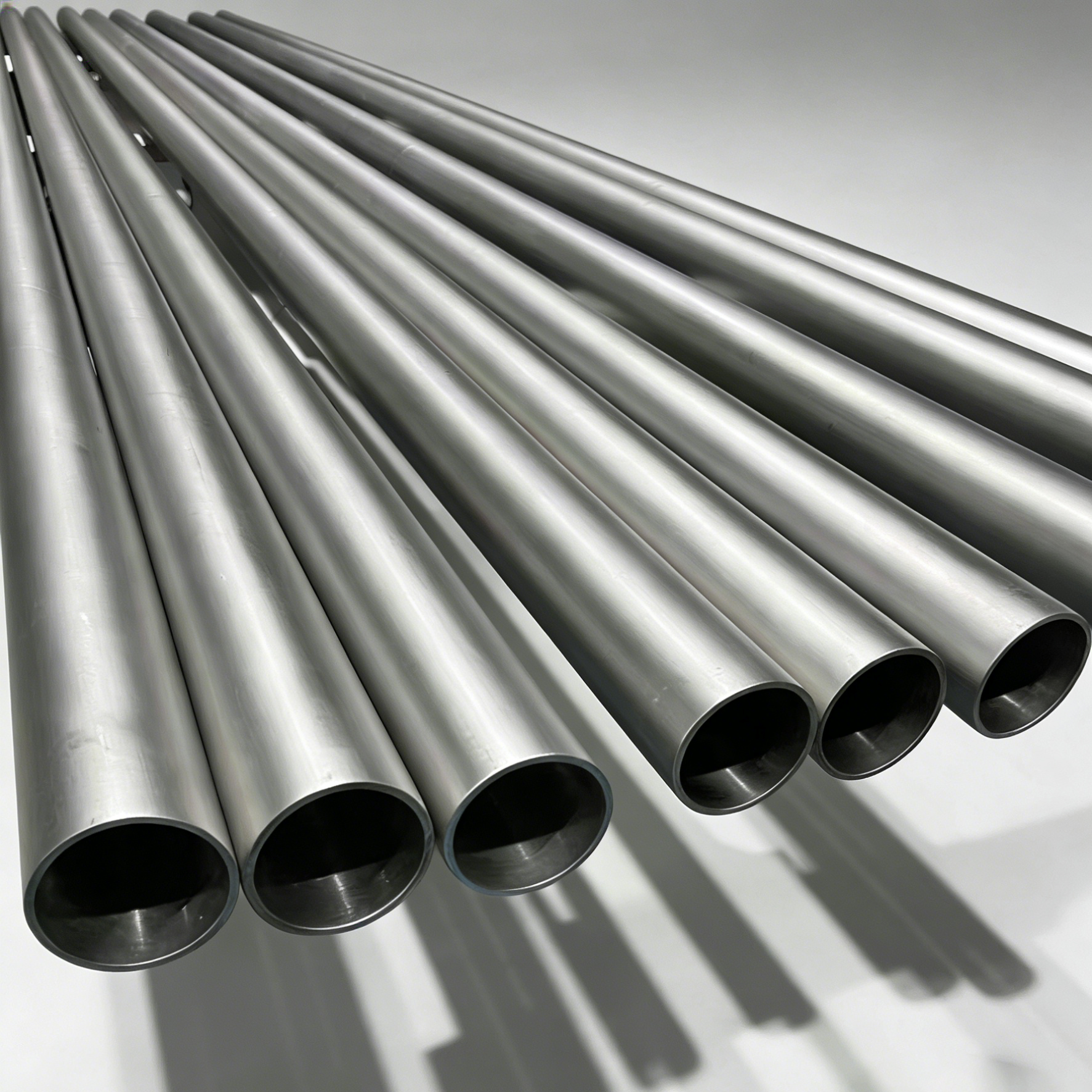
Alloy 800 seamless pipes are critical components in a variety of industrial applications, particularly where high-temperature and high-pressure environments are involved. As a B2B buyer, you need to carefully evaluate your options when sourcing these materials to ensure they meet stringent performance requirements while also aligning with your project specifications. This article aims to guide you through the selection process, highlight key features to consider, and discuss common challenges and applications associated with Alloy 800 seamless pipes.
How to Choose the Right Alloy 800 Seamless Pipe for Your Project

When selecting an Alloy 800 seamless pipe, it’s essential to consider specific project requirements such as pressure ratings, temperature conditions, and the chemical environment it will be exposed to. Start by identifying the pipe’s intended use—whether in aerospace, energy production, or petrochemical applications—as this will dictate the necessary specifications.

Factors to assess include:

Dimensions: Ensure the pipe size fits with existing system components. Common dimensions include outer diameter, wall thickness, and length, which affect flow rates and structural integrity.Pressure Rating: The pipe must be capable of handling the specified pressure. Verify the pipe grade and associated pressure ratings as per industry standards.Material Composition: Alloy 800 is known for its excellent resistance to oxidation and carburization at elevated temperatures. Ensure the material meets relevant ASTM and ASME standards, as this will impact performance and longevity. For instance, you might also consider other materials like ASTM B409 Incoloy 800 Plates & Sheets UNS N08800 for specific applications.

By establishing these criteria upfront, you'll streamline the procurement process and minimize the risk of selecting an unsuitable product.

Get a Free Quote

Our representative will contact you soon.
Email
Mobile
Name
Company Name
Message
0/1000

Related product categories

What to Look for in Alloy 800 Seamless Pipe

What to Look for in Alloy 800 Seamless Pipe

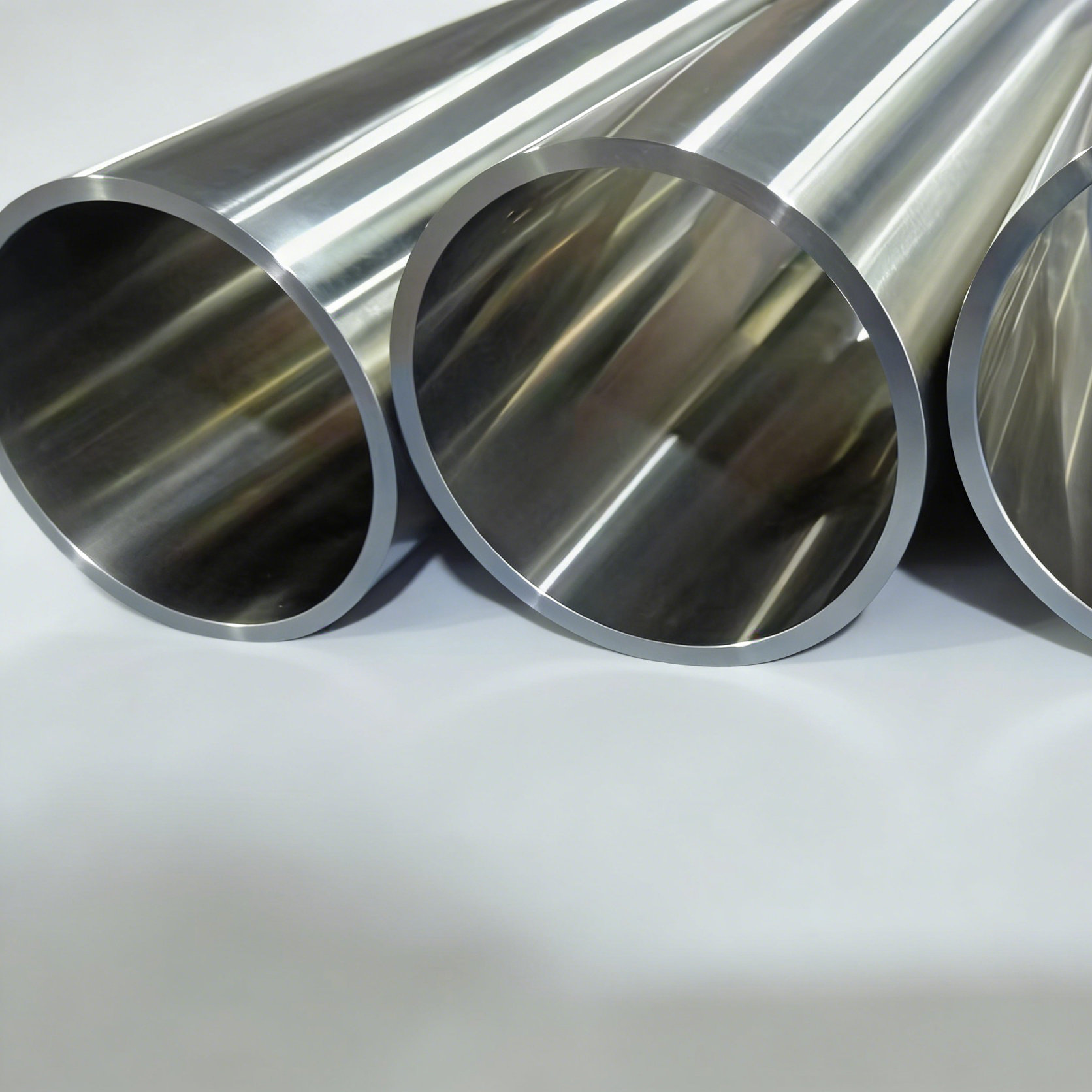
When evaluating Alloy 800 seamless pipes, pay attention to several key attributes that can influence both performance and safety:

Chemical Composition: Alloy 800 typically consists of nickel, chromium, and iron, providing outstanding resistance to heat and corrosion. Confirm the exact composition in accordance with your project's needs, especially if the pipe will be exposed to harsh chemicals or extreme temperatures.

Manufacturing Standards: Look for pipes manufactured in compliance with ISO9001 and AS9100 certifications. These certifications ensure that the production process adheres to strict quality management systems, which can significantly reduce defects and enhance product reliability.

Surface Finish: The surface finish can impact the corrosion resistance and overall performance of the alloy. A smooth finish may be necessary for applications where minimizing turbulence is critical.

Testing and Inspection: Ensure that the pipes undergo rigorous testing, such as hydrostatic tests and dimensional checks, to validate their integrity before shipment. This reduces the risk of in-field failures.

These factors should form the backbone of your evaluation process, enabling you to select a product that meets both your operational and safety standards.
Common Installation Challenges with Alloy 800 Seamless Pipe Solutions

Common Installation Challenges with Alloy 800 Seamless Pipe Solutions

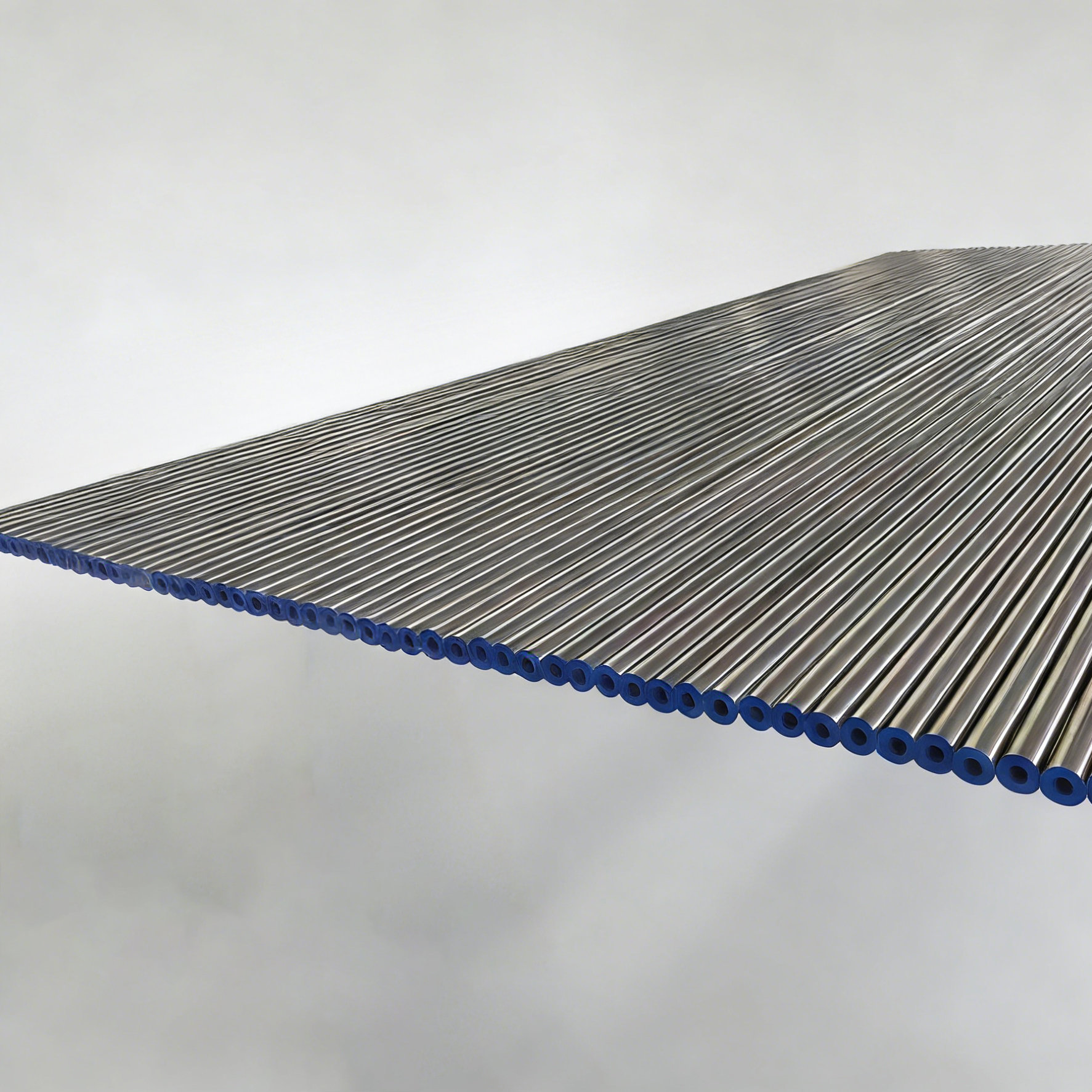
Installing Alloy 800 seamless pipes can present specific challenges, particularly in high-stress applications. Here are a few common issues and their solutions:

Alignment and Fit-Up: Ensuring proper alignment during installation is critical to avoid stress concentrations that can lead to premature failure. Utilize precision alignment tools and fixtures to maintain correct positioning during welding or joining.

Welding Compatibility: If welding is required, consider the welding methods and filler materials. Not all alloys are compatible with every welding process. Pre-heat treatments and post-weld heat treatment (PWHT) may be necessary to maintain the integrity of the alloy.

Thermal Expansion: Alloy 800 has a specific thermal expansion coefficient. Be mindful of this during installation, especially in long runs, as it can lead to issues such as pipe buckling or joint failure if not accounted for.

By anticipating these challenges and implementing preventive measures, you can enhance the efficiency and longevity of your installation.

Applications of Alloy 800 Seamless Pipe in Aerospace and Energy Sectors

Applications of Alloy 800 Seamless Pipe in Aerospace and Energy Sectors

Alloy 800 seamless pipes find extensive use in critical applications across the aerospace and energy sectors:

Aerospace: In aerospace applications, these pipes are often used in turbine components, heat exchangers, and exhaust systems due to their ability to withstand high temperatures and corrosive environments.

Energy Sector: They are also prevalent in power generation, particularly in nuclear power plants and fossil fuel plants, where they play a crucial role in steam generation and heat recovery systems. Their durability under extreme conditions ensures safe and efficient operation.

Petrochemical Industry: The pipes are used in refining processes, where they resist corrosive chemicals and high pressures, maintaining system integrity over long periods. You may also explore options like ASTM B168 Inconel 600 Strips & Coils for different specifications.

Understanding these applications will help you determine the appropriate specifications and features required for your specific project needs.

Understanding the Material Advantages of Alloy 800 Seamless Pipe

Alloy 800 seamless pipes offer several distinct advantages that make them a preferred choice in demanding applications:

Corrosion Resistance: The unique composition of Alloy 800 provides excellent resistance to oxidation and corrosion, particularly in high-temperature environments. This characteristic extends the operational lifespan of the pipes, reducing maintenance and replacement costs.

High-Temperature Strength: Alloy 800 maintains its strength and structural integrity at temperatures exceeding 1,600°F (870°C), making it suitable for applications where heat stress is a concern.

Versatility: The alloy is compatible with various welding methods and can be fabricated into different shapes and sizes, allowing for customization to meet specific project requirements.

Mechanical Properties: The material exhibits good tensile strength and ductility, ensuring reliability under dynamic loads. This is particularly essential for applications in industries that experience fluctuating pressures and temperatures.

By leveraging these advantages, you can enhance the performance and reliability of your systems, ensuring they meet both current and future operational challenges.

In summary, selecting the right Alloy 800 seamless pipe involves careful consideration of material properties, manufacturing standards, and application requirements. By understanding these key aspects, you can make informed decisions that align with your project specifications and operational goals.