Choosing the Right Alloy 600 Tube for Your Project

All Categories
Get a Quote

Get a Free Quote

Our representative will contact you soon.
Email
Mobile
Name
Company Name
Message
0/1000

Alloy 600 tube

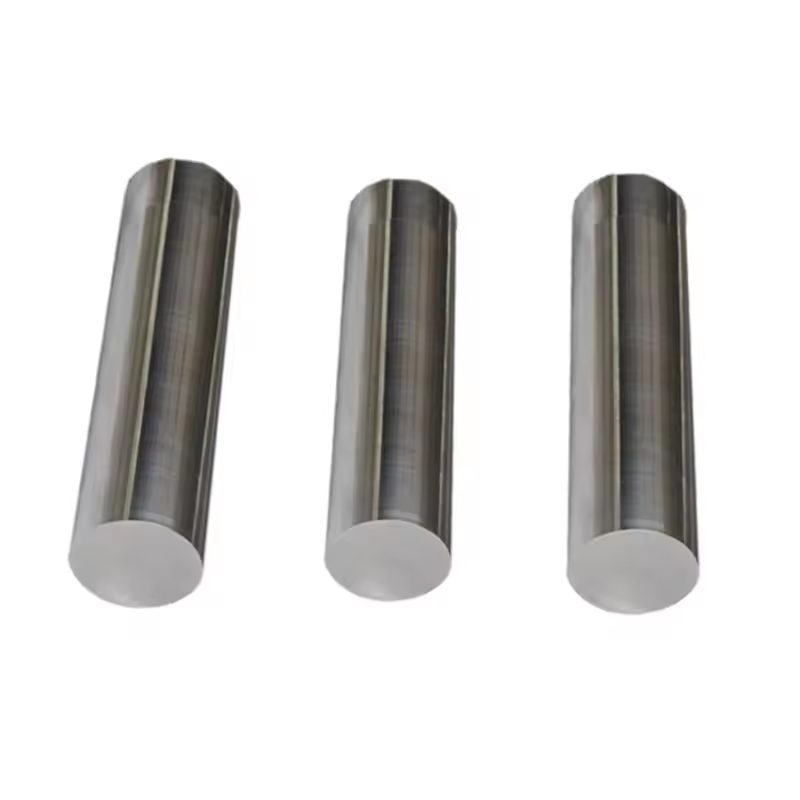
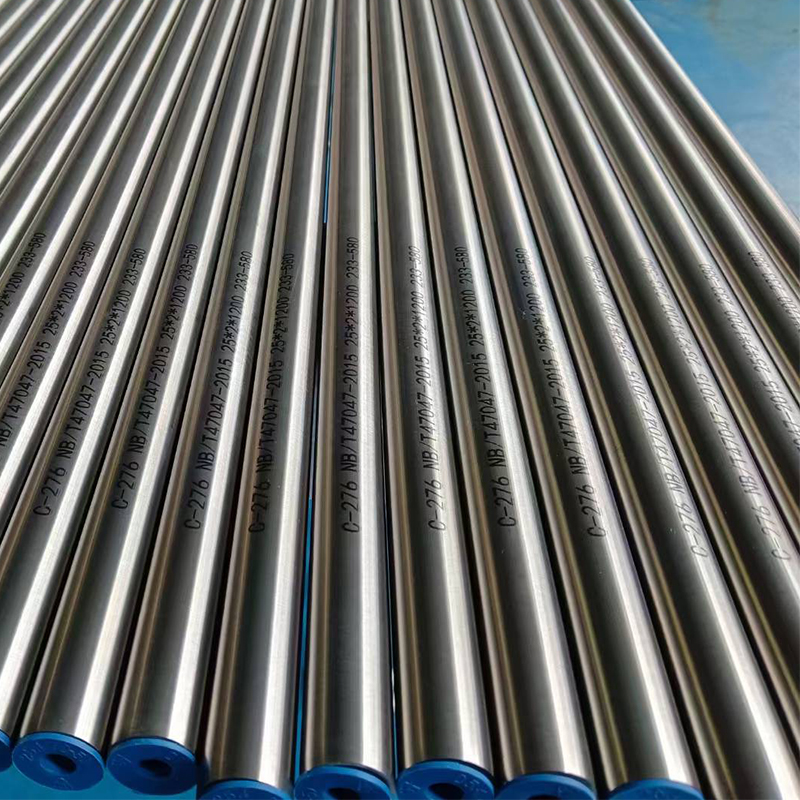
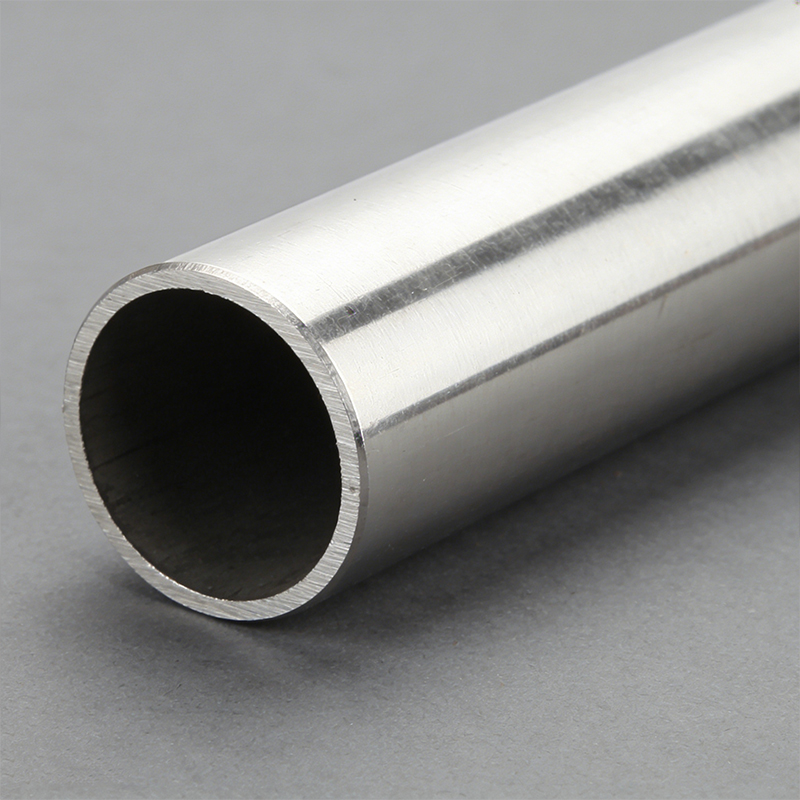
Choosing the right material for your industrial projects is crucial, especially when it comes to high-performance applications. Alloy 600 tubes, known for their resistance to oxidation and high-temperature strength, are an excellent choice for various sectors, including aerospace, petroleum, and nuclear power. we will address the main concerns of B2B buyers regarding alloy 600 tubes and provide guidance on selecting the right product for your needs. 
Our Products

How to Choose the Right Alloy 600 Tube for Your Project Needs

When selecting an alloy 600 tube, several critical factors should be considered to ensure it meets your project's requirements. First, evaluate the dimensions of the tube, including its diameter and wall thickness. These specifications directly impact the tube's ability to withstand pressure and temperature variations in demanding environments. Next, consider the material composition. Alloy 600 is primarily made of nickel and chromium, which contribute to its excellent resistance to oxidation and  carburization. However, variations in the alloying elements can affect performance; for instance, slight changes in nickel or chromium content can impact corrosion resistance and mechanical properties. Lastly, assess the application suitability. HASTELLOY alloy are ideal for applications involving high temperatures and aggressive environments, such as gas turbine components or heat exchangers. Understanding the specific conditions your tubes will face such as exposure to chemicals or extreme temperatures will help you determine the appropriate specifications. 

Get a Free Quote

Our representative will contact you soon.
Email
Mobile
Name
Company Name
Message
0/1000

Related product categories

A Buyeru2019s Guide

When preparing to purchase alloy 600 tubes, gather the following information to facilitate the quotation process: 

Product Type and Model: Specify the type of alloy 600 tube you need. If you have a specific model in mind, include that as well. 

Dimensions: Provide detailed specifications, including outer diameter, wall thickness, and length. 

Material Requirements: Confirm the desired alloy composition and any specific certifications you require, such as ISO9001 or AS9100. 

Quantity: State the number of tubes you wish to order, as this can affect pricing and lead times. 

Application Details: Explain the intended use of the INCONEL alloy tubes, including operating conditions such as temperature and pressure. 

Customization Needs: If you require custom features, specify what those are, such as specific lengths or surface treatments. 

Delivery Destination: Include shipping details to understand logistics and shipping costs. 

Providing this information upfront will help suppliers give you more accurate quotes and improve your purchasing efficiency. 

Where to Source Reliable Alloy 600 Tubes for Bulk Purchases

Finding a trustworthy supplier for alloy 600 tubes is essential for ensuring quality and consistency in your projects. Look for manufacturers with a proven track record in producing high-performance alloys, particularly those that are ISO-certified. Jiangsu Boyue Alloy Materials Co., Ltd., for example, has established a reputation for its comprehensive production capabilities, including smelting and forging, and offers a one-stop service that can cater to bulk orders. Additionally, consider suppliers that have experience in your industry. A manufacturer familiar with aerospace, petroleum, or nuclear applications will better understand the specific requirements and challenges you face. It's also beneficial to request samples before placing a bulk order. This allows you to evaluate the quality and performance of the materials under your specific conditions. 

Common Problems with Alloy 600 Tubes and Effective Solutions

While alloy 600 tubes offer numerous advantages, buyers should be aware of common issues that may arise during production or operation. One frequent problem is dimensional inaccuracy, which can occur during the manufacturing process. This can lead to fitting issues in applications where precise measurements are critical. To mitigate this, always request dimensional tolerances from your supplier and consider conducting inspections on samples before mass production. Another issue is corrosion in environments where the tubes are exposed to aggressive chemicals. Although alloy 600 is designed to resist oxidation, it may not be suitable for all chemical exposures. Buyers should verify the specific chemical compatibility of the alloy with their application environment and consider additional protective coatings if necessary. Lastly, weldability can present challenges. Alloy 600 can be difficult to weld due to its high nickel content, which can lead to cracking if not handled properly. Ensure that your welding processes are compatible with the alloy and consult with your manufacturer for recommendations on welding techniques that will maintain material integrity. 

Advantages of Using Alloy 600 Tubes in Industrial Settings

Alloy 600 tubes offer several advantages that make them a preferred choice in industrial applications. Their high-temperature strength is particularly valuable in sectors such as aerospace and power generation, where components are subjected to extreme thermal conditions. This strength ensures that the materials maintain their structural integrity even under stress. Moreover, alloy 600 exhibits excellent corrosion resistance, especially against chloride-induced stress corrosion cracking, making it suitable for environments with high salt content, such as offshore platforms. Its durability translates to lower maintenance costs and extended service life, which is a major consideration for purchasing managers looking to optimize operational efficiency. Finally, the flexibility in manufacturing processes allows for customized solutions. Suppliers can provide tailored dimensions and features based on your specific needs, ensuring that the INCONEL alloy 600 fit seamlessly into your projects. This adaptability streamlines your procurement process and enhances the overall performance of your applications. By understanding these aspects of alloy 600 tubes, you can make informed decisions that will lead to successful outcomes in your projects. Whether you're sourcing materials for aerospace, nuclear, or petroleum applications, ensuring the right specifications and supplier relationships is key to achieving your operational goals.