Monel Alloy 400: Key Considerations & Applications

All Categories
Get a Quote

Get a Free Quote

Our representative will contact you soon.
Email
Mobile
Name
Company Name
Message
0/1000

Monel Alloy 400

Monel Alloy 400 is a nickel-copper alloy renowned for its exceptional resistance to corrosion and high strength, making it a preferred choice in various industrial applications. For B2B buyers such as purchasing managers, engineers, and product specialists, understanding the specific properties and requirements of Monel Alloy 400 is crucial for making informed procurement decisions. This article will explore key considerations, specifications, cost factors, challenges, and applications of Monel Alloy 400 to provide buyers with the knowledge necessary for effective sourcing and material selection

Boyue provides Monel Alloy 400 and other nickel alloy materials for industrial applications. When evaluating Monel Alloy 400 from Boyue, B2B buyers can consider factors such as alloy composition, mechanical properties, corrosion resistance, product form, dimensions, surface condition, applicable material standards, heat treatment requirements, application environment, customization options, quality control, testing documentation, production capacity, lead times, and supplier support. These factors can help buyers determine whether the material is suitable for specific industrial, chemical processing, marine, or other demanding applications.
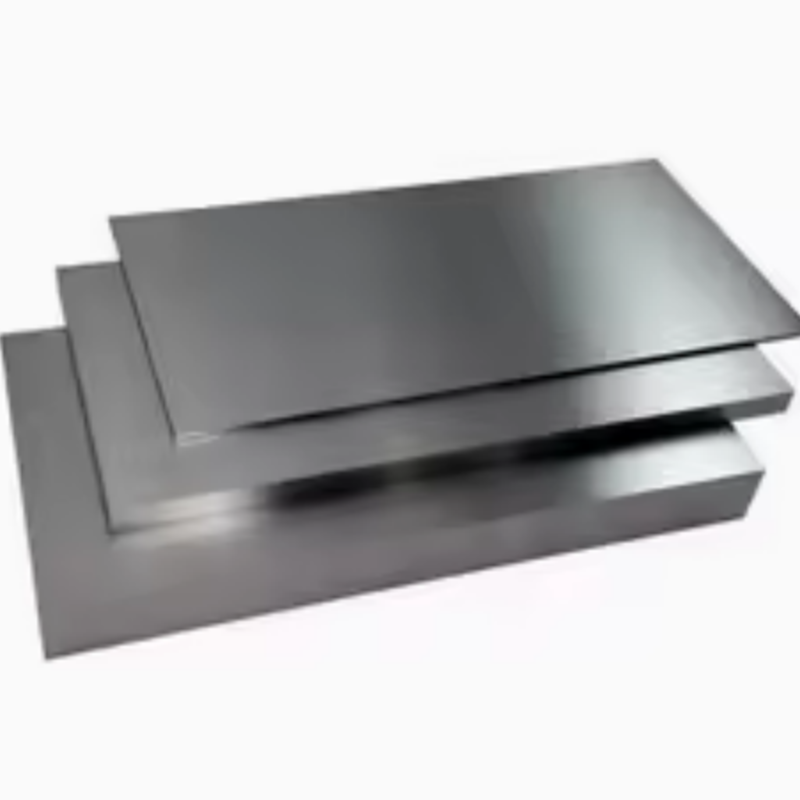
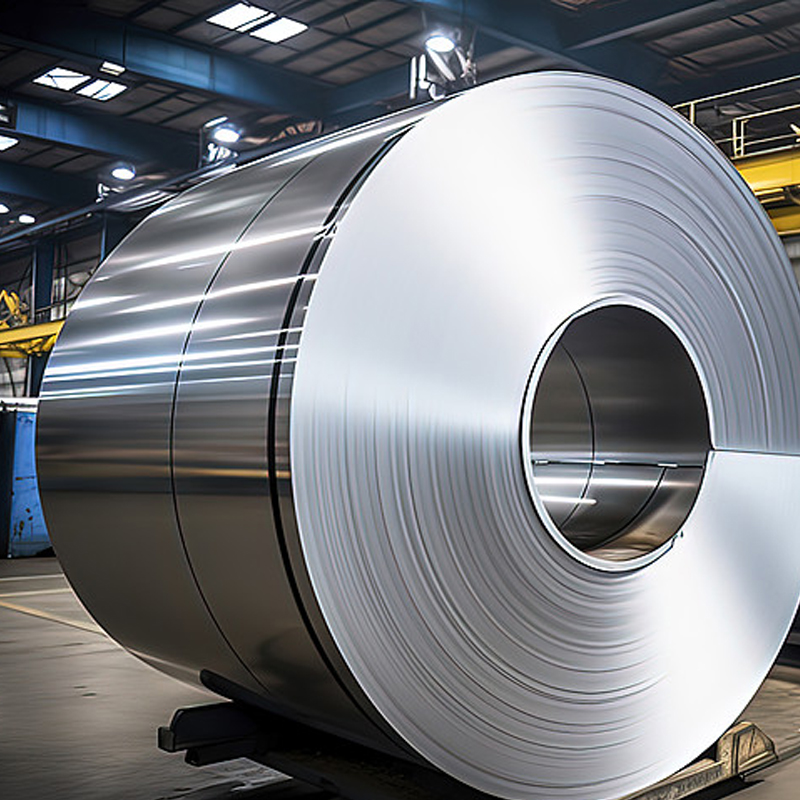
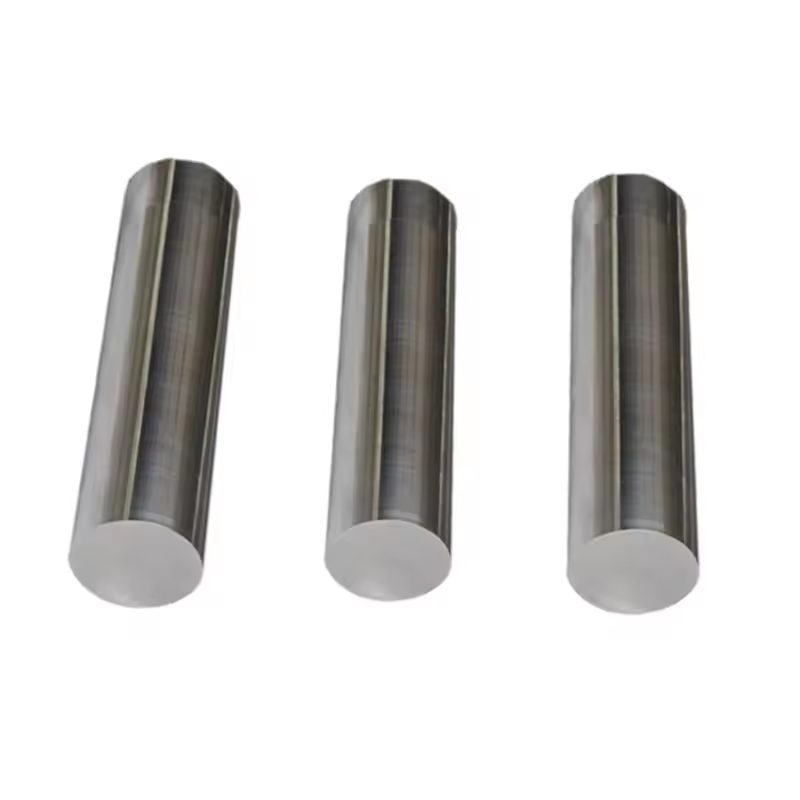
Our Products

Key Considerations

When selecting Alloy Monel 400, several key factors come into play. First and foremost is the alloy's inherent properties, including its resistance to oxidation and pitting, which are critical for applications in harsh environments. Buyers should also consider the alloy's mechanical properties, such as tensile strength and ductility, which may vary based on the manufacturing process

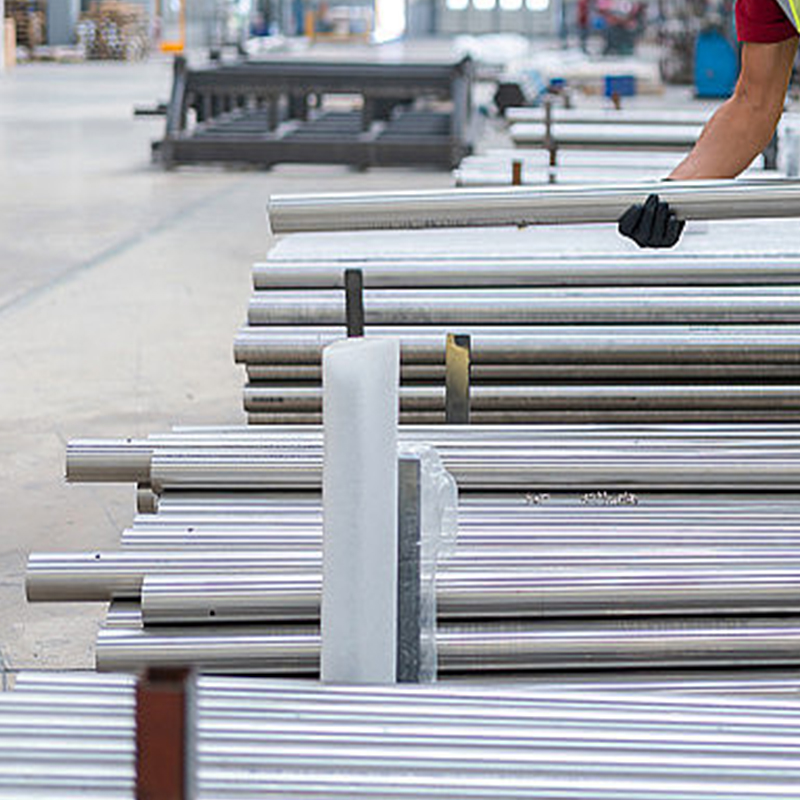
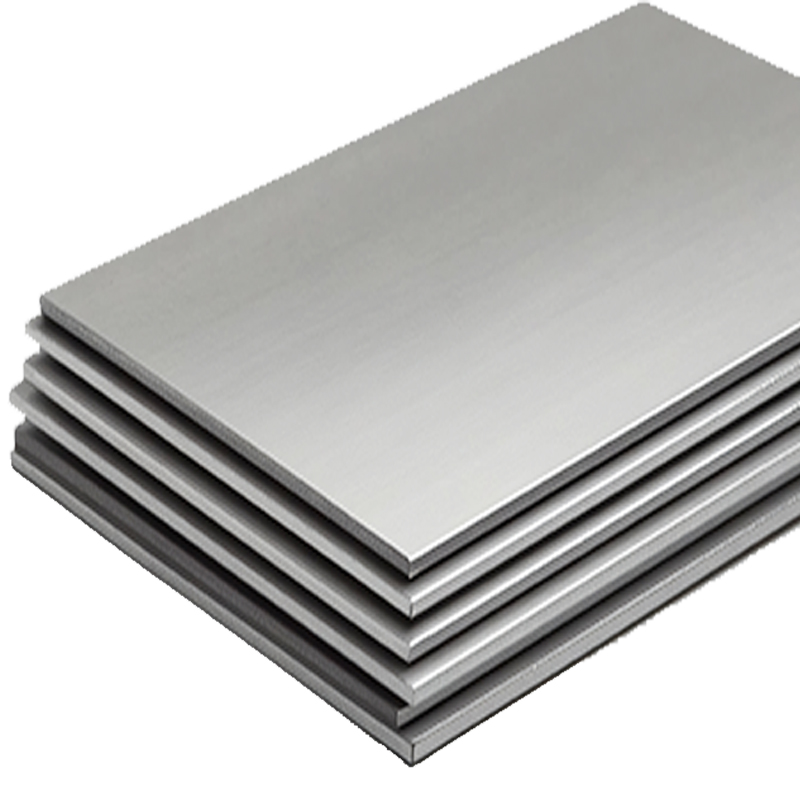
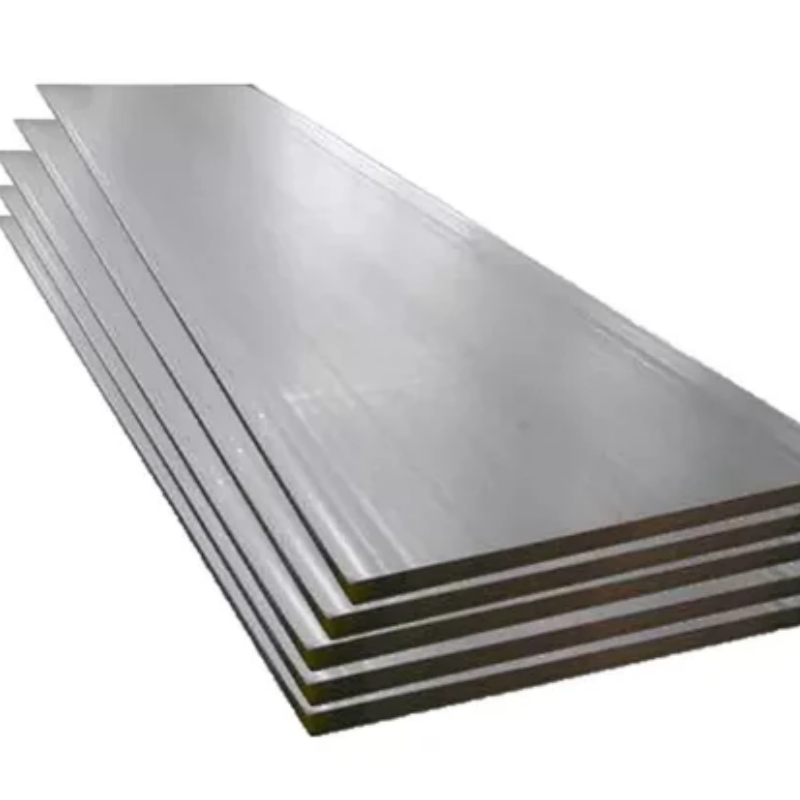
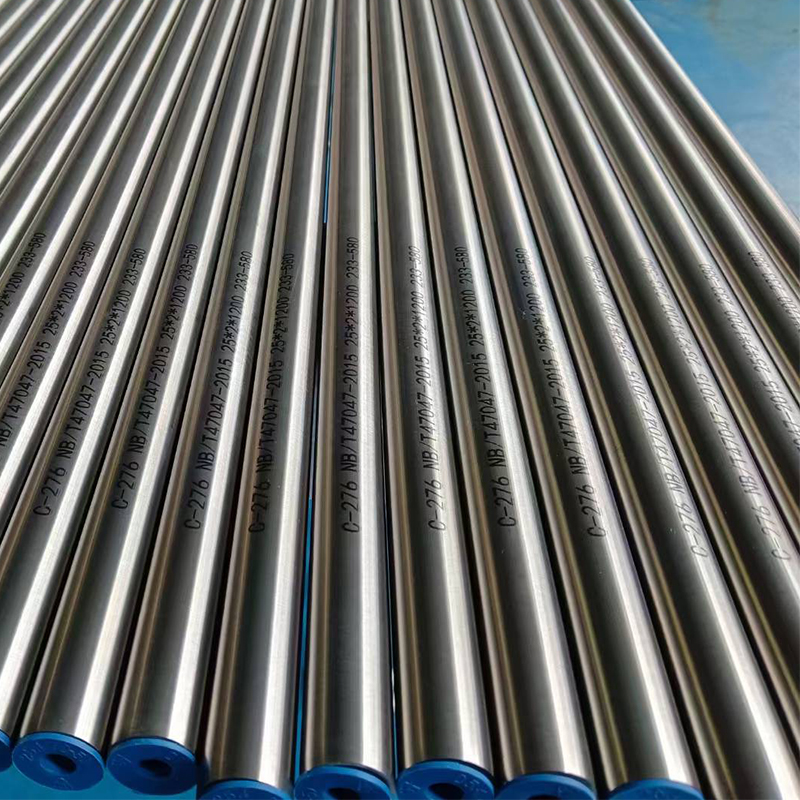
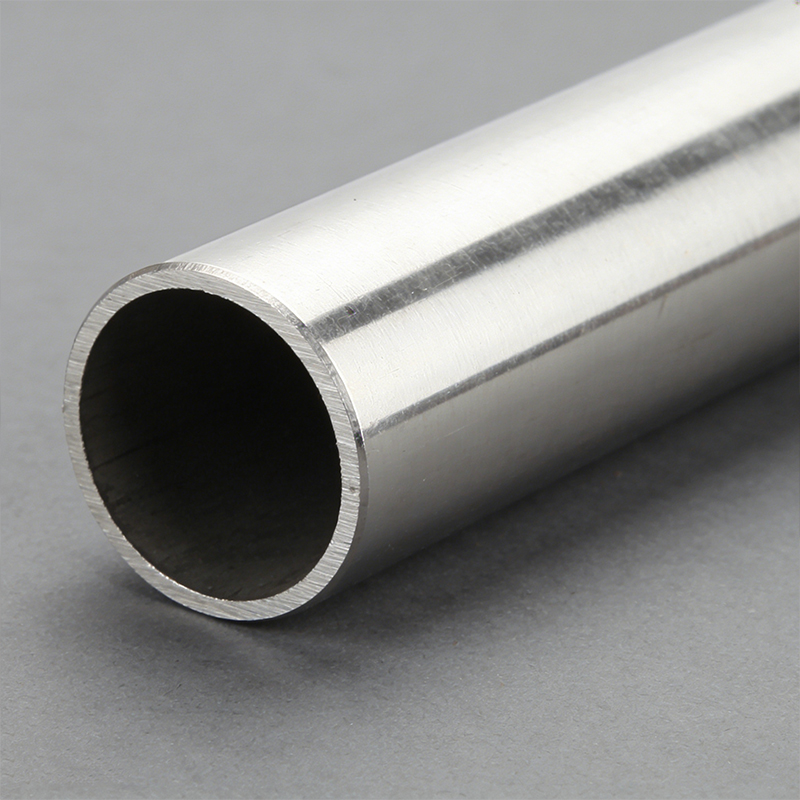
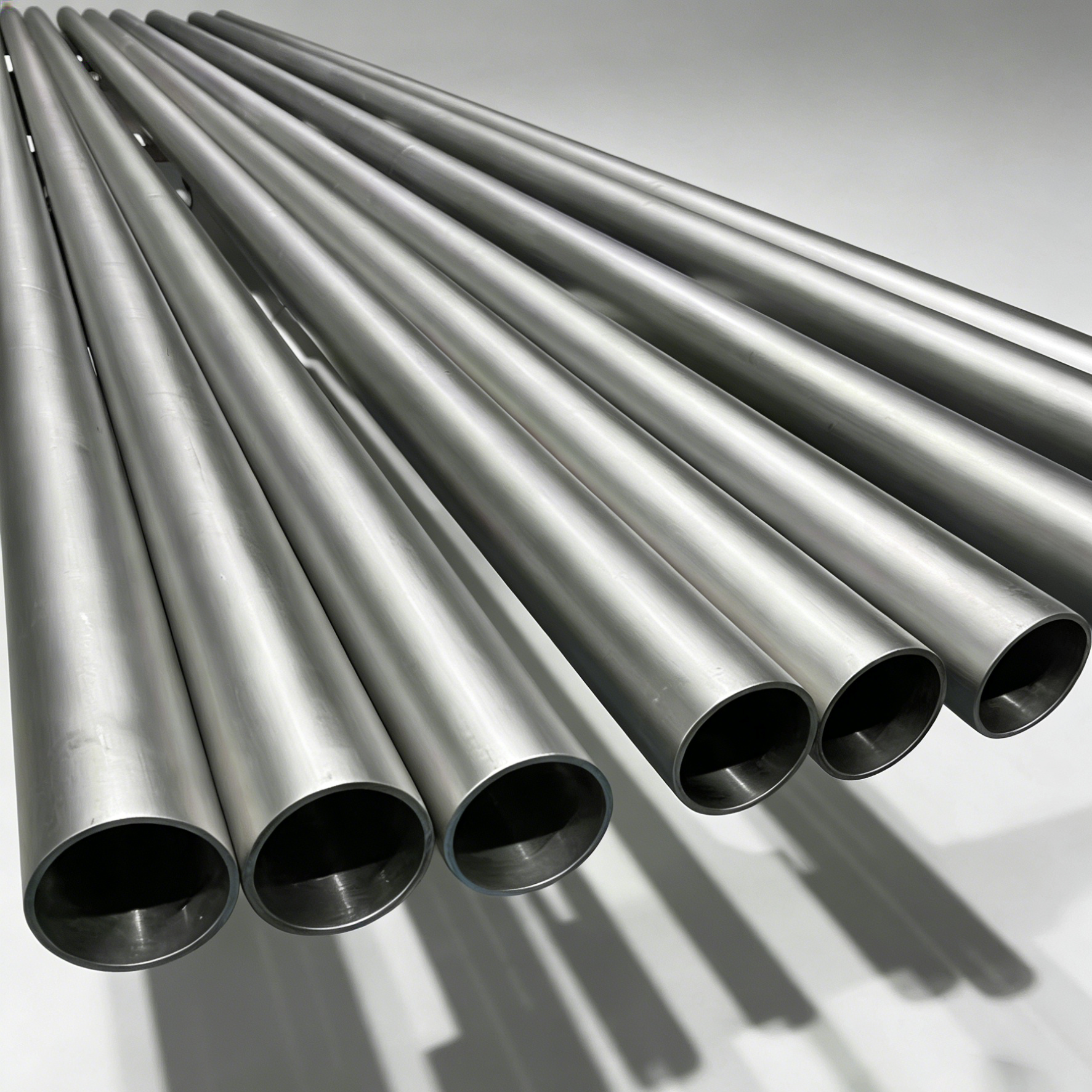
Additionally, the dimensions and form of the alloy—whether in pipe, plate, or fastener form—must align with the specific requirements of the application. The manufacturing capabilities of the supplier, including their ability to offer customized solutions, play a significant role in meeting unique project needs. Finally, certifications such as ISO9001 and AS9100 offer assurance of quality and compliance with industry standards, making them vital considerations during the supplier evaluation process.

Get a Free Quote

Our representative will contact you soon.
Email
Mobile
Name
Company Name
Message
0/1000

Related product categories

Specifications to Evaluate When Selecting Monel Alloy 400

Specifications to Evaluate When Selecting Monel Alloy 400

Evaluating specifications for Monel Alloy 400 is essential for ensuring suitability for your application. Key specifications include:

Chemical Composition: Monel Alloy 400 typically contains around 63% nickel and 28% copper, with trace amounts of iron, manganese, and silicon. Understanding the precise composition is crucial, as it affects corrosion resistance and mechanical properties

Mechanical Properties: Key mechanical properties include yield strength, tensile strength, and elongation. For instance, the alloy generally exhibits a yield strength of approximately 30,000 psi and a tensile strength of about 70,000 psi at room temperature. Buyers should verify these specifications to ensure they meet the required performance standards for their specific application

Dimensional Tolerances: Specifying the correct dimensions—such as wall thickness for pipes or plate thickness—can impact the performance under stress and environmental conditions. Ensure that the supplier can meet the required tolerances

Surface Finish: The surface treatment of Monel superalloy 400 can affect its performance in corrosive environments. A polished finish may enhance corrosion resistance and should be specified based on application needs

Buyers should consult with manufacturers like Jiangsu Boyue Alloy Materials Co., Ltd., who possess the expertise to recommend appropriate specifications based on specific application conditions.

Understanding the Cost Factors of Monel Alloy 400 Purchases

The cost of Monel Alloy 400 can vary significantly based on several factors. Key aspects to consider include:

Raw Material Costs: The price of nickel based superalloys and copper fluctuates in the global market, impacting the overall cost of the alloy. Buyers should stay informed about these market trends and factor potential price volatility into their budgeting

Manufacturing Process: Custom manufacturing processes, such as forging or machining, can incur additional costs. Understanding the specific processes involved can help buyers anticipate the total cost of their order

Order Quantity: Purchasing in larger quantities may yield cost savings due to reduced per-unit manufacturing costs. However, it’s important to balance these savings against storage costs and potential changes in project requirements

Lead Time: Shorter lead times may result in higher costs. Buyers need to prioritize their timeframes and adjust orders accordingly, as extended lead times may allow for lower pricing

Customization Requirements: Customizing Monel Alloy 400 to meet specific application needs can increase costs. Buyers should clearly define their requirements to receive accurate quotes and understand the implications on pricing.

Common Challenges in Working with Monel Alloy 400 Solutions

While Monel Alloy 400 offers many advantages, there are common challenges buyers may encounter:

Material Compatibility: Ensuring compatibility with other materials in an assembly can sometimes pose challenges. For example, joining Monel Alloy 400 with stainless steel may require careful consideration to avoid galvanic corrosion

Supply Chain Variability: Depending on the supply chain, fluctuations in availability can result in delays in project timelines. Buyers should establish relationships with reliable suppliers to mitigate these risks

Quality Control: Maintaining consistent quality across batches is essential, especially when dealing with critical applications in aerospace or nuclear power. Implementing thorough quality inspection processes is vital to ensure that all specifications are met

Processing Difficulties: The alloy’s high strength can make it challenging to machine. Suppliers should provide guidance on machining techniques and tooling to avoid production issues

By collaborating closely with experienced suppliers like Jiangsu Boyue Alloy Materials Co., Ltd., buyers can navigate these challenges effectively.

Applications of Monel Alloy 400 in Various Industries

Monel Alloy 400 is utilized in a diverse range of applications due to its unique properties. Key industries include:

Aerospace: The alloy is often used in components that require high strength and resistance to extreme environmental conditions, such as fuel tanks and valves

Petroleum: Monel Alloy 400 is ideal for marine applications and oil rig equipment due to its resistance to sour gas and saltwater corrosion

Nuclear Power: Its ability to withstand corrosive environments makes it suitable for use in nuclear reactors and associated facilities

New Energy: In the renewable energy sector, Monel Alloy 400 can be used in systems that involve aggressive chemicals, such as those found in batteries and fuel cells

Pressure Vessels: The alloy’s strength and corrosion resistance make it a reliable choice for pressure vessels in various industrial processes

Understanding these applications can aid buyers in determining the suitability of Monel Alloy 400 for their specific needs. Engaging with a knowledgeable supplier can provide additional insights into how the alloy can be tailored for various operational conditions.