Hastelloy B2: Key Insights for Wholesale Orders

All Categories
Get a Quote

Get a Free Quote

Our representative will contact you soon.
Email
Mobile
Name
Company Name
Message
0/1000

Hastelloy B2

Hastelloy B2 is a high-performance nickel alloy known for its excellent resistance to corrosion, particularly in reducing environments. For B2B buyers, understanding this material's specifications and sourcing considerations is crucial. This article will cover key aspects of hastelloy B2, including quality evaluation, cost factors, supplier reliability, and comparisons with other nickel alloys, providing insights that can help purchasing managers, engineers, and product managers make informed decisions. 
Our Products

What You Need to Know About Hastelloy B for Wholesale Orders

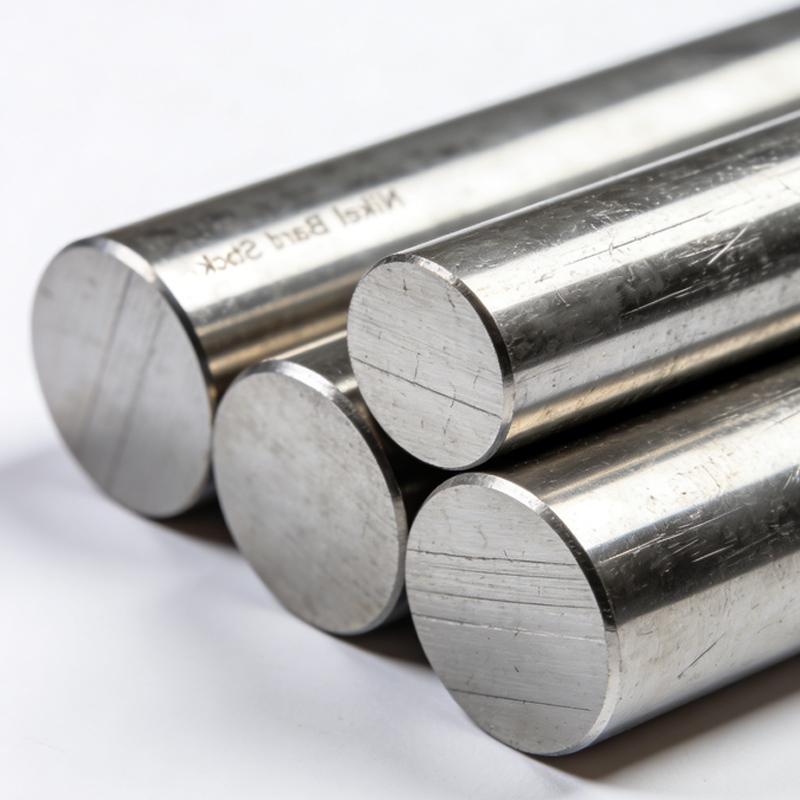
When considering Hastelloy B for wholesale orders, it's important to understand its unique properties. Hastelloy B2 is primarily composed of nickel and molybdenum, making it highly resistant to hydrochloric acid at all concentrations and temperatures. This characteristic is vital for applications in the chemical processing industry, particularly in environments where acids are present.  

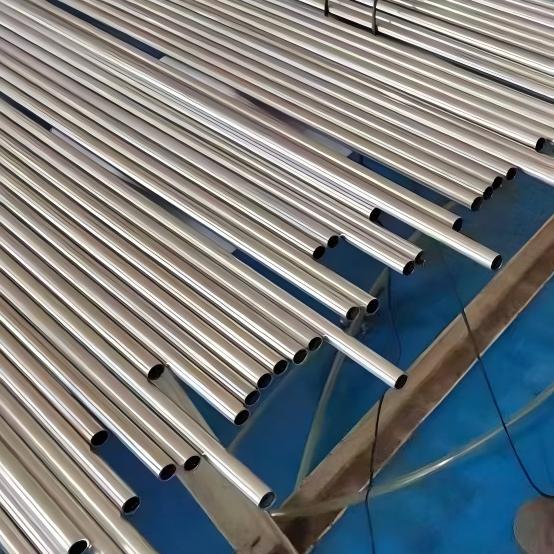
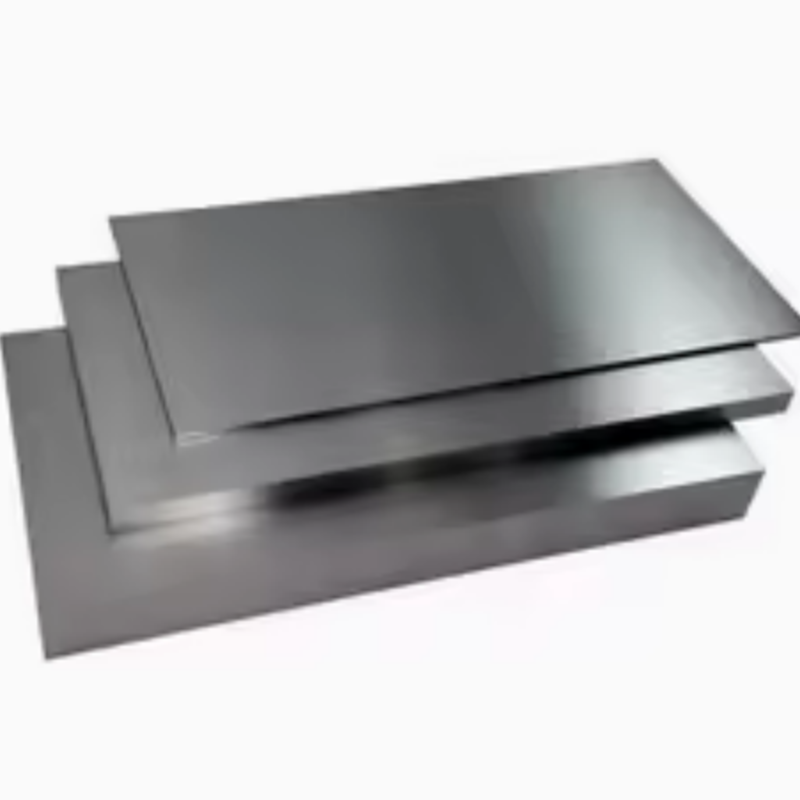
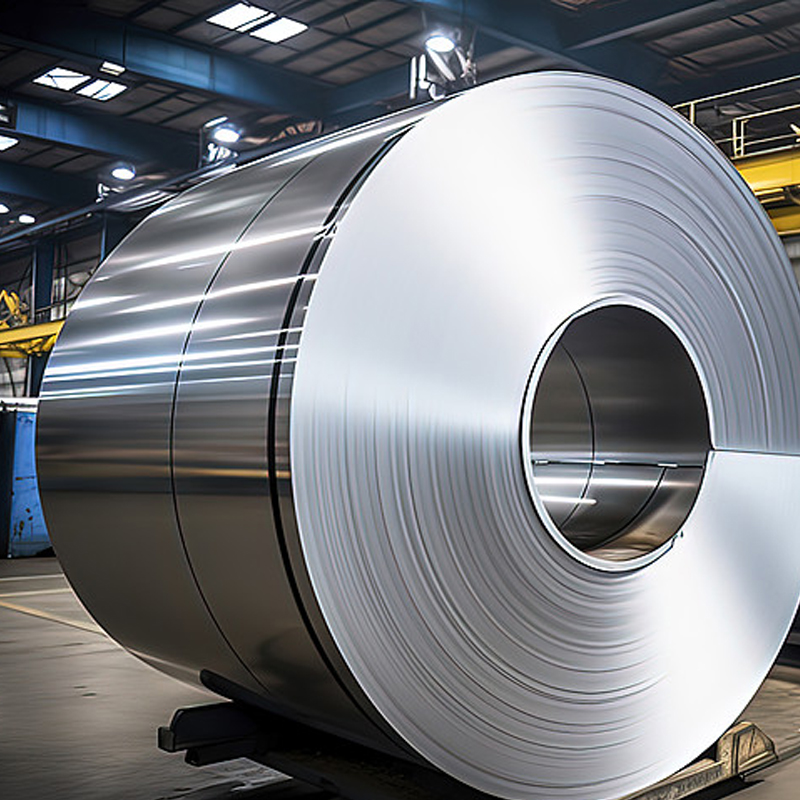
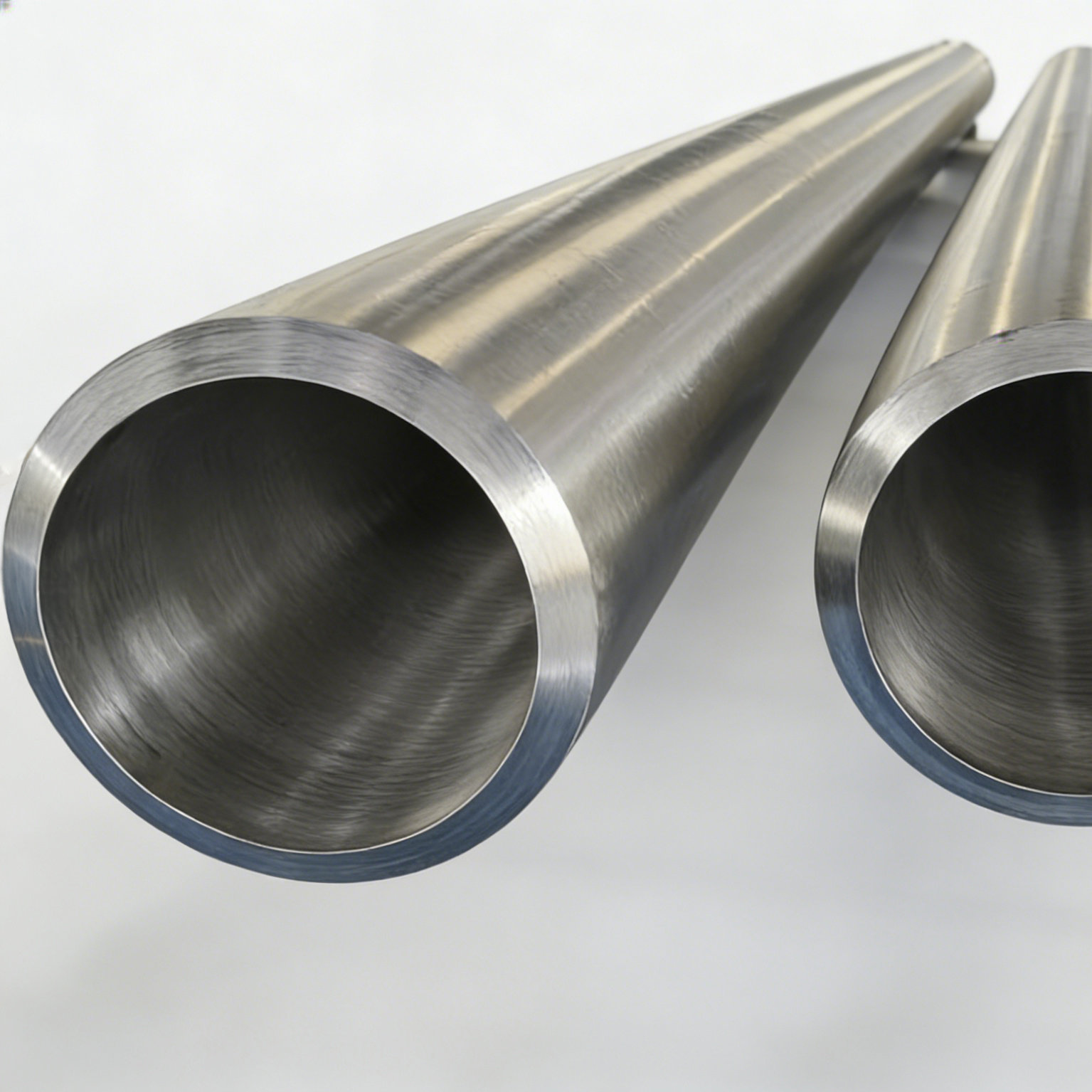
For wholesale orders, buyers should specify their requirements clearly, including the desired shapes (pipes, plates, or fasteners), dimensions, and any finishing processes. Custom manufacturing capabilities can play a significant role here, as many suppliers, like Jiangsu Boyue Alloy Materials Co., Ltd., offer tailored solutions to meet specific industrial needs. Understanding the manufacturing capabilities and the production chain from smelting to forging can aid in assessing whether a supplier can fulfill your order efficiently while maintaining quality standards.  

Get a Free Quote

Our representative will contact you soon.
Email
Mobile
Name
Company Name
Message
0/1000

Related product categories

Evaluating the Quality of Hastelloy B for Your Projects

Evaluating the Quality of Hastelloy B for Your Projects

Quality evaluation of Hastelloy B is critical, especially in high-stakes applications such as aerospace and nuclear power. Buyers should prioritize suppliers that adhere to recognized standards and certifications, such as ISO 9001 and AS9100. These certifications indicate that the manufacturer has a quality management system in place to ensure consistent production quality. 

When inspecting Hastelloy B, consider the following quality factors: 

Material Composition: Verify that the alloy's chemical composition meets specifications. Molybdenum content should typically be between 27% and 30% for optimal corrosion resistance. 

Mechanical Properties: Review the tensile strength and elongation at break. These properties influence the material's performance under stress and temperature variations. 

Surface Finish: The surface condition can affect corrosion resistance. A smooth finish may be necessary for certain applications to minimize stress concentrations and enhance durability. 

Conducting thorough quality inspections, including checking for proper certifications and ensuring the material meets project specifications, is essential before approving any batch for production use. 

Cost Considerations When Sourcing Hastelloy B Materials

When sourcing Hastelloy B materials, it’s essential to consider various cost factors that can influence the total expenditure. The price of nickel and molybdenum fluctuates based on market conditions, which directly impacts the price of Hastelloy B. Additionally, the manufacturing process can add to the cost; for instance, custom orders may incur higher fees due to specialized labor and equipment. 

Buyers should also consider: 

Minimum Order Quantity (MOQ): Suppliers may have an MOQ that can affect pricing. Understanding the MOQ can help in budgeting and in negotiations for better pricing on larger orders. 

Lead Time: Longer lead times may result in increased costs due to inventory holding. It's crucial to align the project timeline with the supplier's production capabilities. 

Shipping and Handling: Depending on the destination, shipping costs can vary significantly. Confirming shipping logistics early in the purchasing process can help mitigate unexpected expenses. 

By analyzing these factors, buyers can better assess the overall cost-effectiveness of sourcing metal hastelloy B for their projects. 

Where to Find Reliable Suppliers for Hastelloy B Products

Finding reliable suppliers for Hastelloy B products involves thorough research and consideration of various criteria. Start by looking for manufacturers with a strong reputation in the alloy materials sector. This includes checking for certifications such as ISO9001 and API, which indicate adherence to industry standards. 

Networking within industry-specific forums, trade shows, and professional associations can also lead to reputable suppliers. Additionally, online platforms that specialize in industrial materials can provide reviews and ratings which can assist in evaluating supplier reliability. 

When engaging with potential suppliers, ask about their manufacturing capabilities, quality control processes, and experience with the specific alloy. A supplier like Jiangsu Boyue Alloy Materials Co., Ltd., known for their complete production chain and custom services, can be a good choice for those looking for comprehensive solutions. 

Comparing Hastelloy B with Other Nickel Alloys for Efficiency

Comparing Hastelloy B with other nickel alloys is essential for understanding its efficiency in specific applications. For instance, Hastelloy C-276 offers better resistance to oxidizing environments, while Hastelloy B2 excels in reducing conditions, especially in acidic environments. 

Key comparison points include: 

Corrosion Resistance: Evaluate how each alloy performs under specific chemical exposures. Hastelloy B is particularly effective in environments with hydrochloric acid, while C-276 is more suited for environments with sulfuric acid. 

Temperature Capabilities: Each alloy has different temperature thresholds. The hastelloy metal B2 maintains stability at higher temperatures, making it suitable for high-temperature applications. 

Mechanical Properties: Compare tensile strength and ductility between alloys. This can affect the choice depending on the mechanical stresses expected in the application. 

Understanding these differences allows buyers to select the most appropriate alloy for their specific needs, thereby enhancing operational efficiency and ensuring material suitability for their applications.