Choosing the Right 718 Inconel Sheet for Your Needs

All Categories
Get a Quote

Get a Free Quote

Our representative will contact you soon.
Email
Mobile
Name
Company Name
Message
0/1000

718 inconel sheet

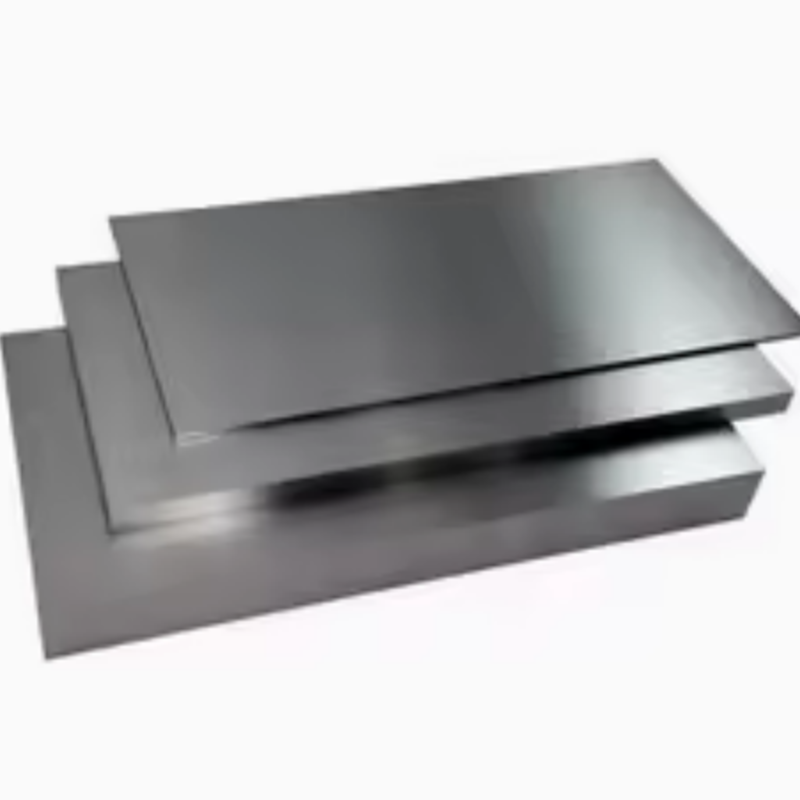
Inconel sheets are high-performance nickel-chromium alloys known for their exceptional resistance to oxidation and corrosion, making them ideal for demanding environments. Buyers in sectors like aerospace, petroleum, and nuclear power often seek out these materials for their unique properties. This article will delve into the specifics of 718 inconel sheets, addressing buyer concerns such as specifications, selection criteria, cost factors, installation challenges, and grade comparisons to enhance decision-making for procurement.
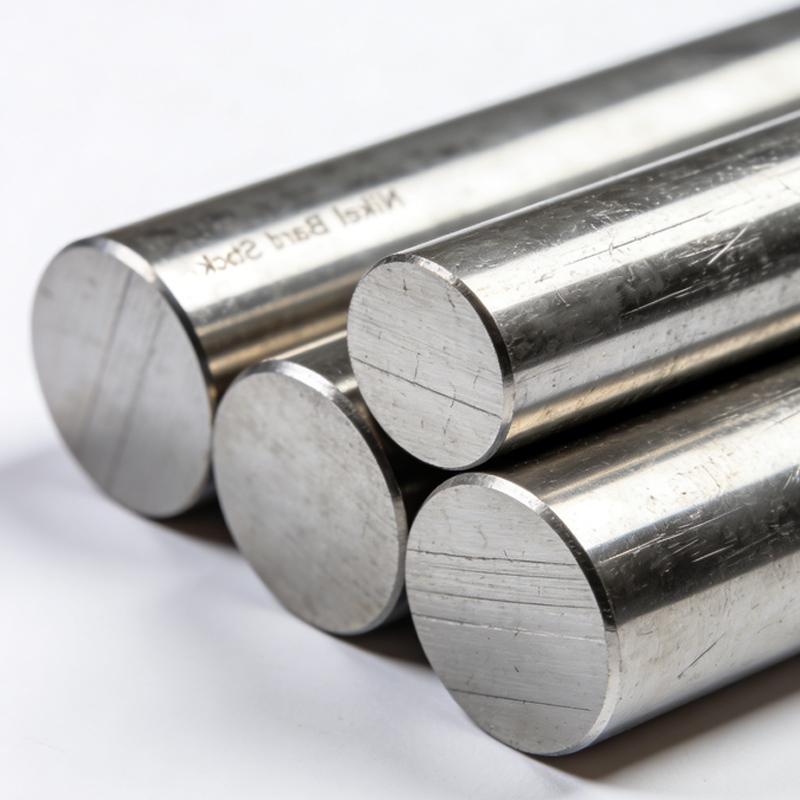
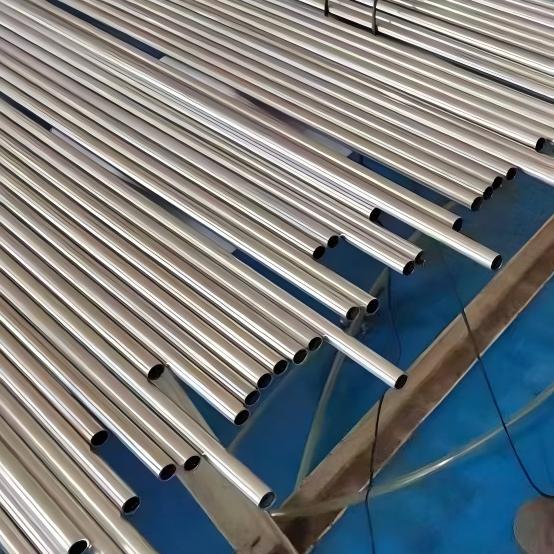
Our Products

Understanding Inconel Sheet Specifications for Your Projects

When evaluating 718 inconel sheets, it is crucial to understand the specifications that dictate their performance. Key specifications include thickness, width, and length, which can directly affect the suitability for specific applications. For instance, thicker sheets may be required in high-pressure environments, while thinner sheets might be more appropriate for applications where weight savings are critical.

The chemical composition of Inconel 718 is another important specification. This alloy typically contains nickel, chromium, iron, and small amounts of niobium and titanium, which contribute to its strength and resistance to heat and corrosion. Understanding the composition allows buyers to ensure compatibility with their specific operational environments, such as those facing extreme temperatures or corrosive chemicals.

Additionally, buyers should consider the manufacturing processes used to produce the sheets. The forging and smelting processes employed by manufacturers can influence the mechanical properties and final quality of the sheets. As a reputable manufacturer, Jiangsu Boyue Alloy Materials Co., Ltd. employs stringent quality control measures to ensure that every sheet meets the required specifications.

Get a Free Quote

Our representative will contact you soon.
Email
Mobile
Name
Company Name
Message
0/1000

Related product categories

How to Choose the Right Inconel Sheet for Bulk Orders

How to Choose the Right Inconel Sheet for Bulk Orders

Selecting the right Inconel sheet for bulk orders involves several factors that directly impact both performance and cost-efficiency. First, consider the specific application requirements. Different applications may necessitate varying thicknesses and dimensions. Buyers should assess the operational conditions, such as temperature extremes and exposure to corrosive substances, to determine the most suitable sheet specifications.

Another critical aspect is the required quantity. When placing bulk orders, it is important to discuss minimum order quantities (MOQ) with suppliers. Jiangsu Boyue Alloy Materials Co., Ltd. offers flexibility in order sizes, which can be beneficial for projects with varying needs.

Buyers should also factor in customization options. For specialized applications, custom dimensions or surface finishes may be required. Engaging with the manufacturer early in the process can provide insights into available customization capabilities, ensuring that the final product aligns with project specifications.

Lastly, it’s essential to establish clear communication with suppliers regarding lead times and delivery schedules, particularly for large orders that may require extended production times.
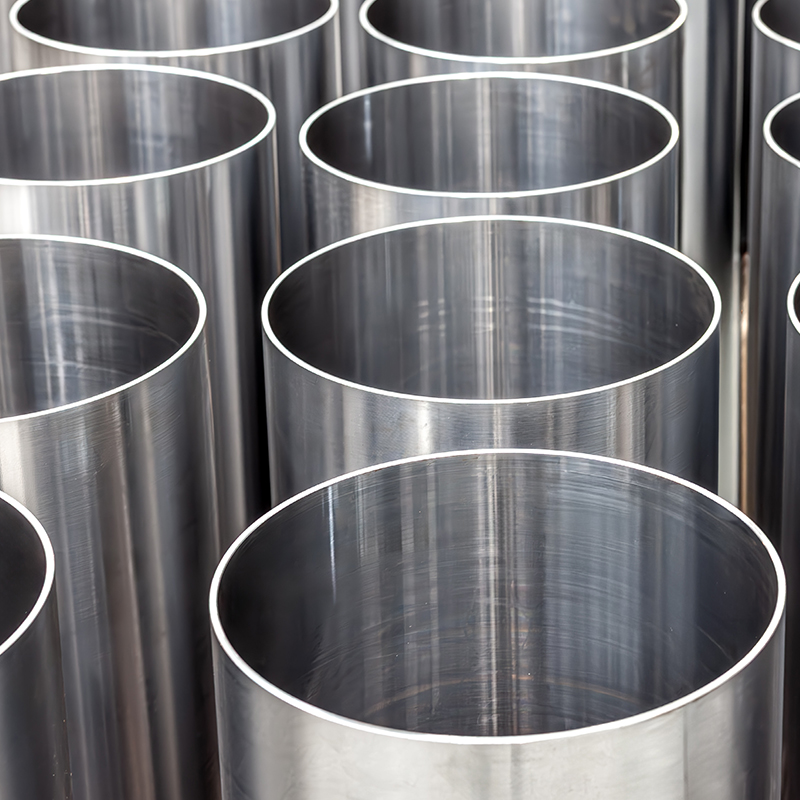
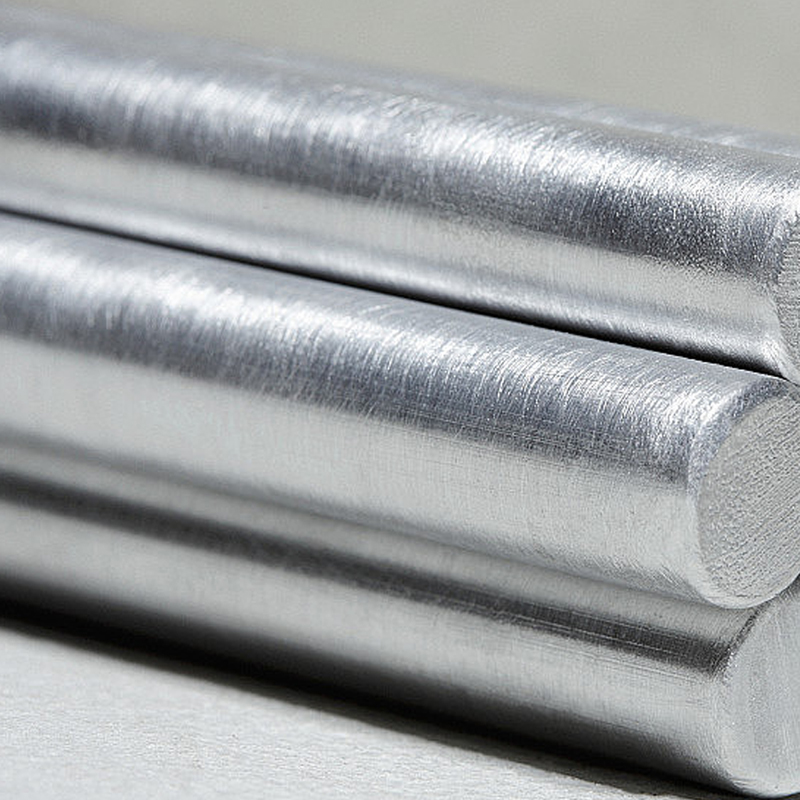
Cost Factors to Consider When Purchasing Inconel Sheets

Cost Factors to Consider When Purchasing Inconel Sheets

Cost is a significant concern when procuring 718 inconel sheets. Several factors influence the overall price, including material costs, production processes, and order volume. The raw material costs for nickel and chromium fluctuate based on market conditions, which can directly impact pricing.

Furthermore, the manufacturing processes employed by the supplier can affect costs. Advanced production methods that ensure higher quality and consistency may come at a premium but can lead to long-term savings by reducing failure rates in applications. Therefore, it’s vital to balance upfront costs against potential future savings from reduced maintenance and replacement needs.

Buyers should also consider the total cost of ownership, which includes not only the purchase price but also shipping, handling, and any required inspections or certifications. Ensure that the supplier can provide a comprehensive breakdown of all costs to avoid unexpected expenses.

Common Installation Challenges with Inconel Sheets and Solutions

Common Installation Challenges with Inconel Sheets and Solutions

While 718 inconel sheets offer numerous advantages, their installation may present challenges. One common issue is the material's toughness, which can make cutting and shaping more difficult compared to softer metals. To mitigate this, using specialized tools designed for hard alloys is advisable. High-speed steel or carbide-tipped blades can provide cleaner cuts and reduce wear on tools.

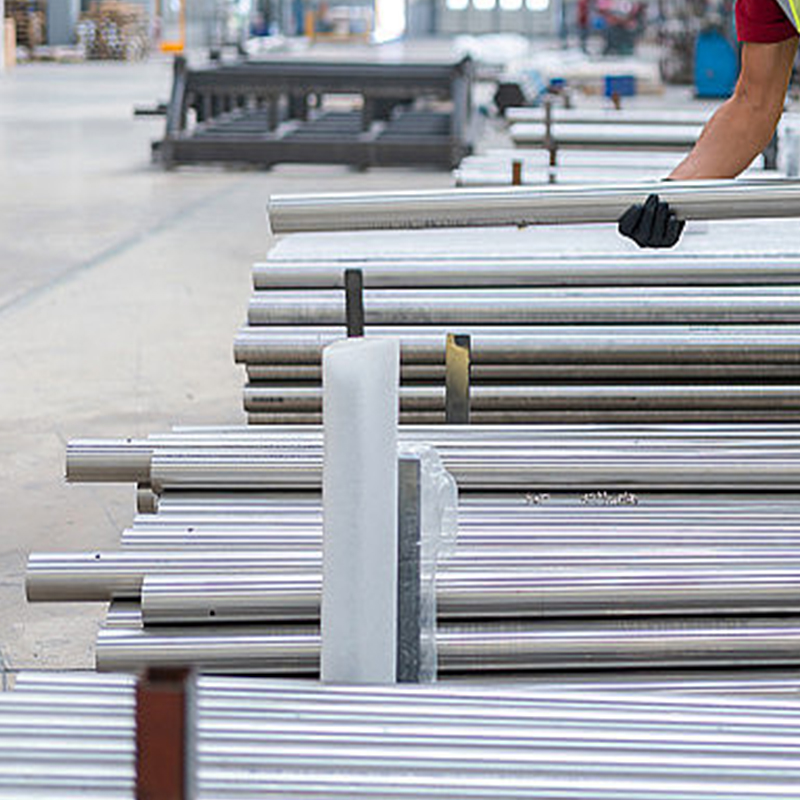
Additionally, proper handling and storage of Inconel sheets are essential to prevent surface damage. Buyers should ensure that sheets are stored in a clean, dry environment and handled with care to avoid scratches or dents that could affect performance.

Welding Inconel sheets can also pose challenges due to their unique thermal properties. It is recommended to use experienced welders familiar with nickel alloys to ensure strong, defect-free welds. Preheating and post-weld heat treatment might be necessary to relieve stresses and enhance the material properties.

Comparing Inconel Sheet Grades for Specific Project Needs

Inconel is available in various grades, each tailored for specific applications. While Inconel 718 is well-known for its high strength and resistance to oxidation at elevated temperatures, other grades may be more suitable depending on the project requirements.

For instance, Inconel 625 is often chosen for its superior corrosion resistance, particularly in marine environments, while Inconel 600 is more commonly used in heat exchanger applications due to its excellent thermal stability. Understanding the differences in material properties, such as tensile strength, yield strength, and resistance to specific corrosive agents, is essential for selecting the right grade.

Consulting with the manufacturer can provide valuable insights into which grade will best meet the project’s needs. This can save time and resources by avoiding the use of a material that may not perform adequately under specific operational conditions.

By thoroughly evaluating these factors, buyers can make informed decisions when procuring 718 inconel sheets, ensuring alignment with project goals and requirements.