 EN

When it comes to welding applications, the choice of welding rod can significantly impact the quality and integrity of the final product. The 55 nickel welding rod, specifically designed for high-performance applications, is a key material in industries ranging from aerospace to nuclear power. This article will guide purchasing managers and engineers through the essential criteria to consider when selecting Boyue monel welding, ensuring that the chosen product meets both project specifications and quality standards.
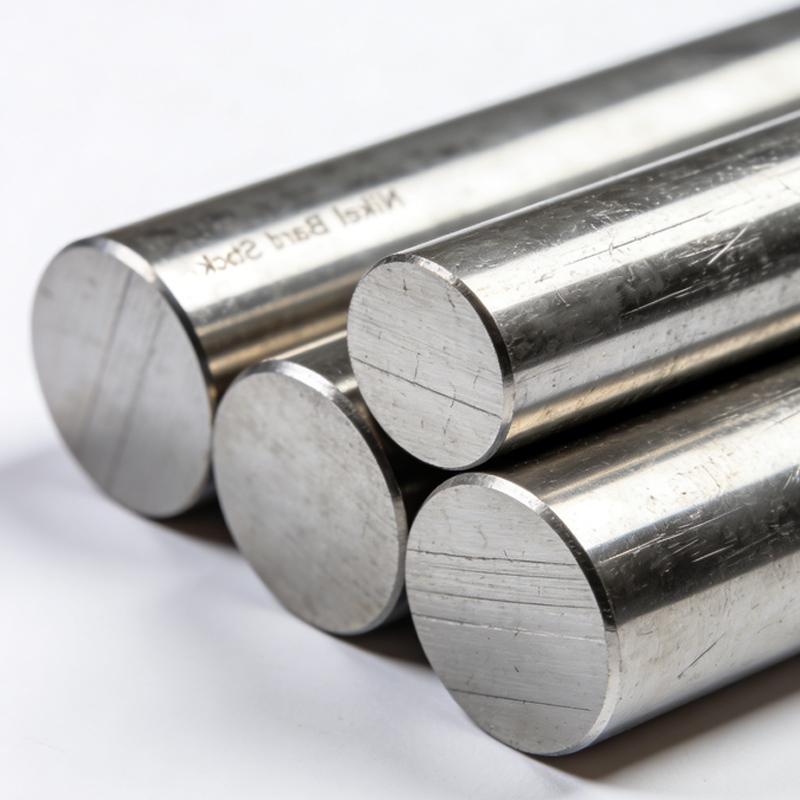
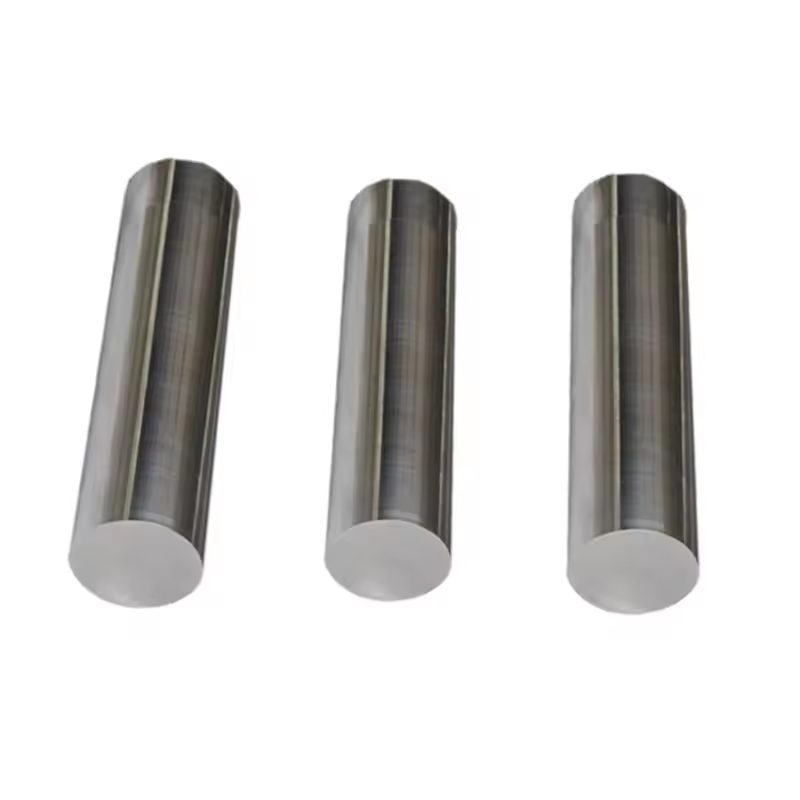
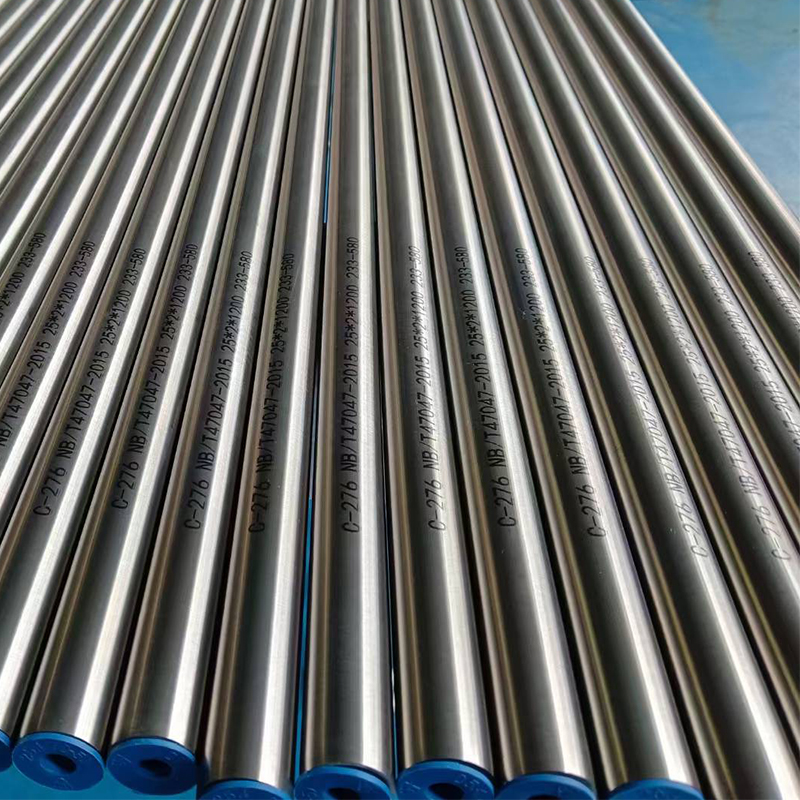
How to Evaluate the Quality of Nickel Welding Rods Before Purchase
Evaluating the quality of Boyue nickel welding rods requires a thorough assessment of several factors, including chemical composition, mechanical properties, and manufacturing practices.
Chemical Composition: Review the material data sheets to confirm the nickel content and the presence of alloying elements. The 55 nickel welding rod typically contains a high percentage of nickel, which contributes to its strength and corrosion resistance.
Mechanical Properties: Look for tensile strength, elongation, and yield strength specifications. These attributes dictate how the rod will perform under stress. For instance, the 55 nickel rod should demonstrate high tensile strength to withstand challenging conditions.
Manufacturing Processes: Inquire about the production methods used to create the nickel welding rod. A reputable manufacturer will employ rigorous quality control processes, such as those outlined in ISO9001, to ensure that each rod meets high standards.
Sampling and Testing: Before making a bulk purchase, request samples of the welding rod. Testing these samples under actual working conditions can help verify their performance and suitability for your specific application.